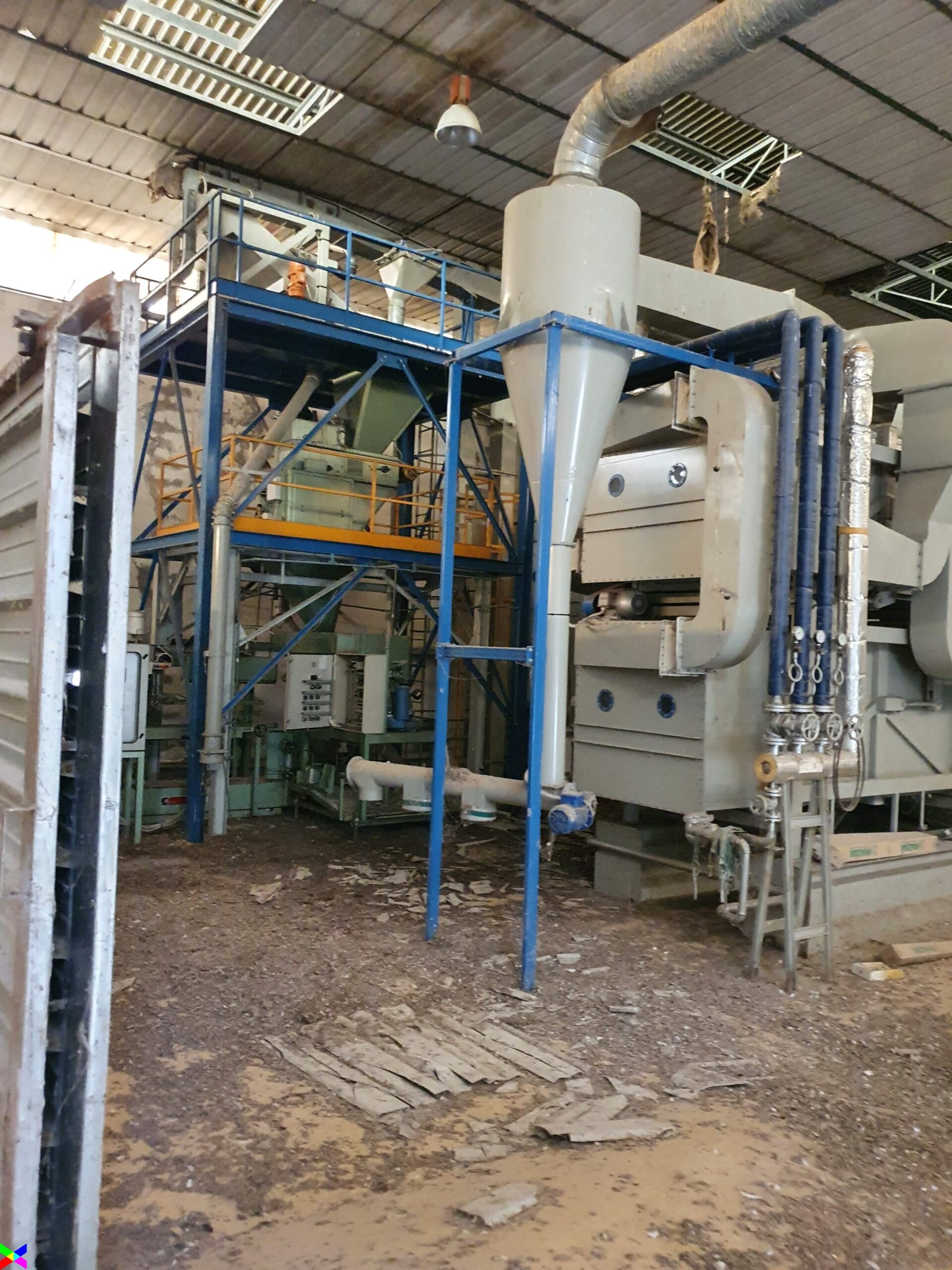
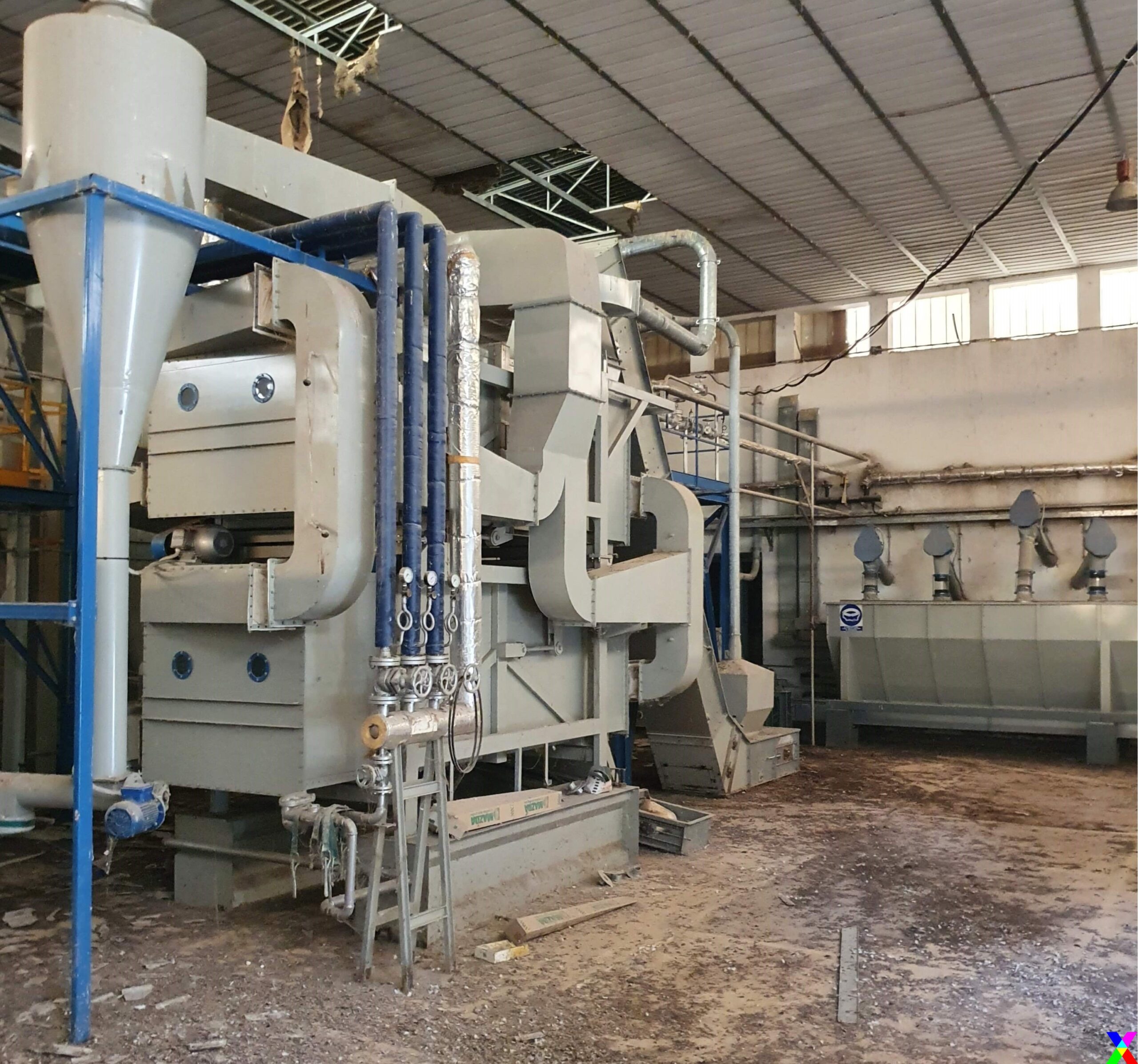
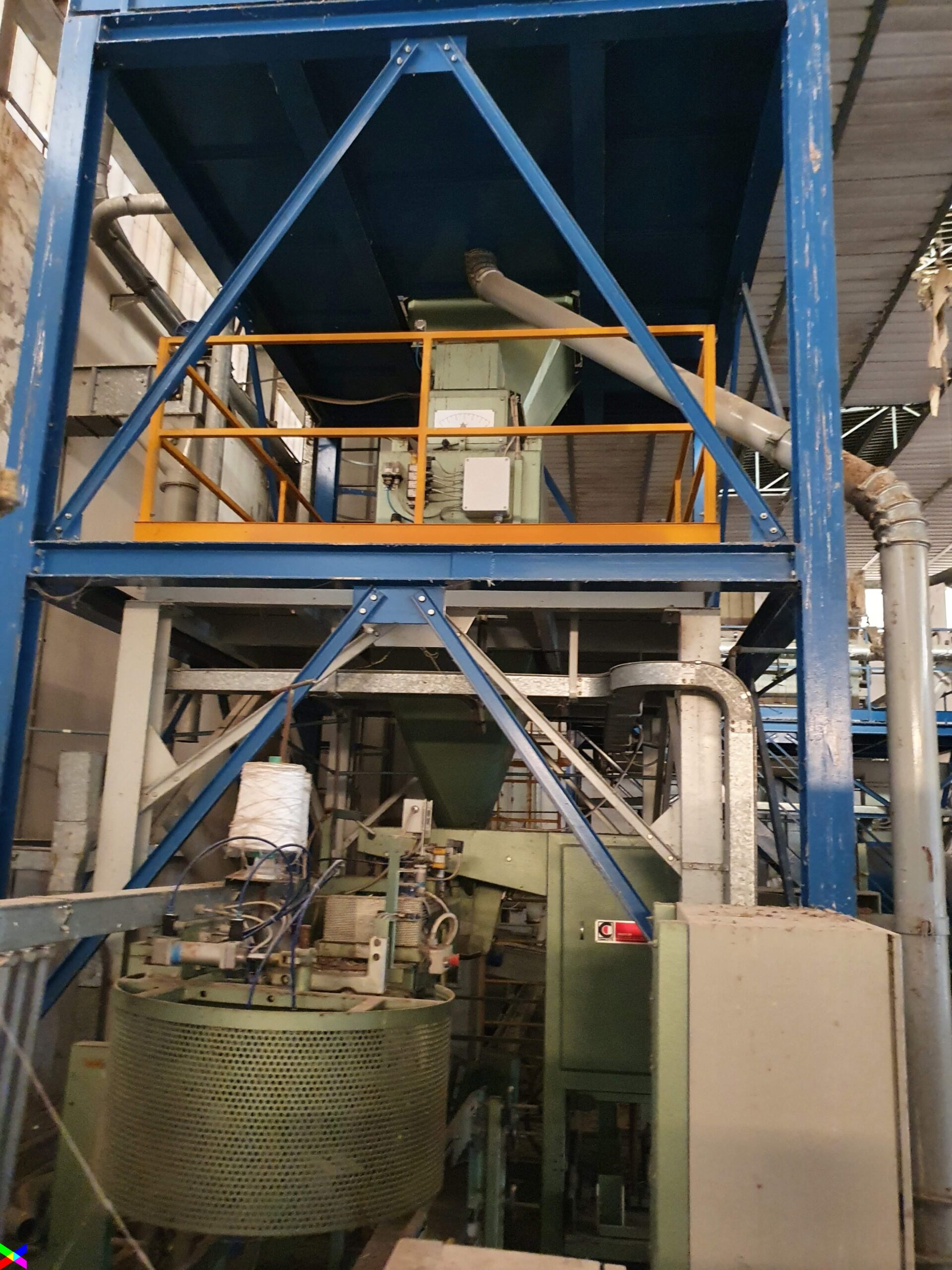
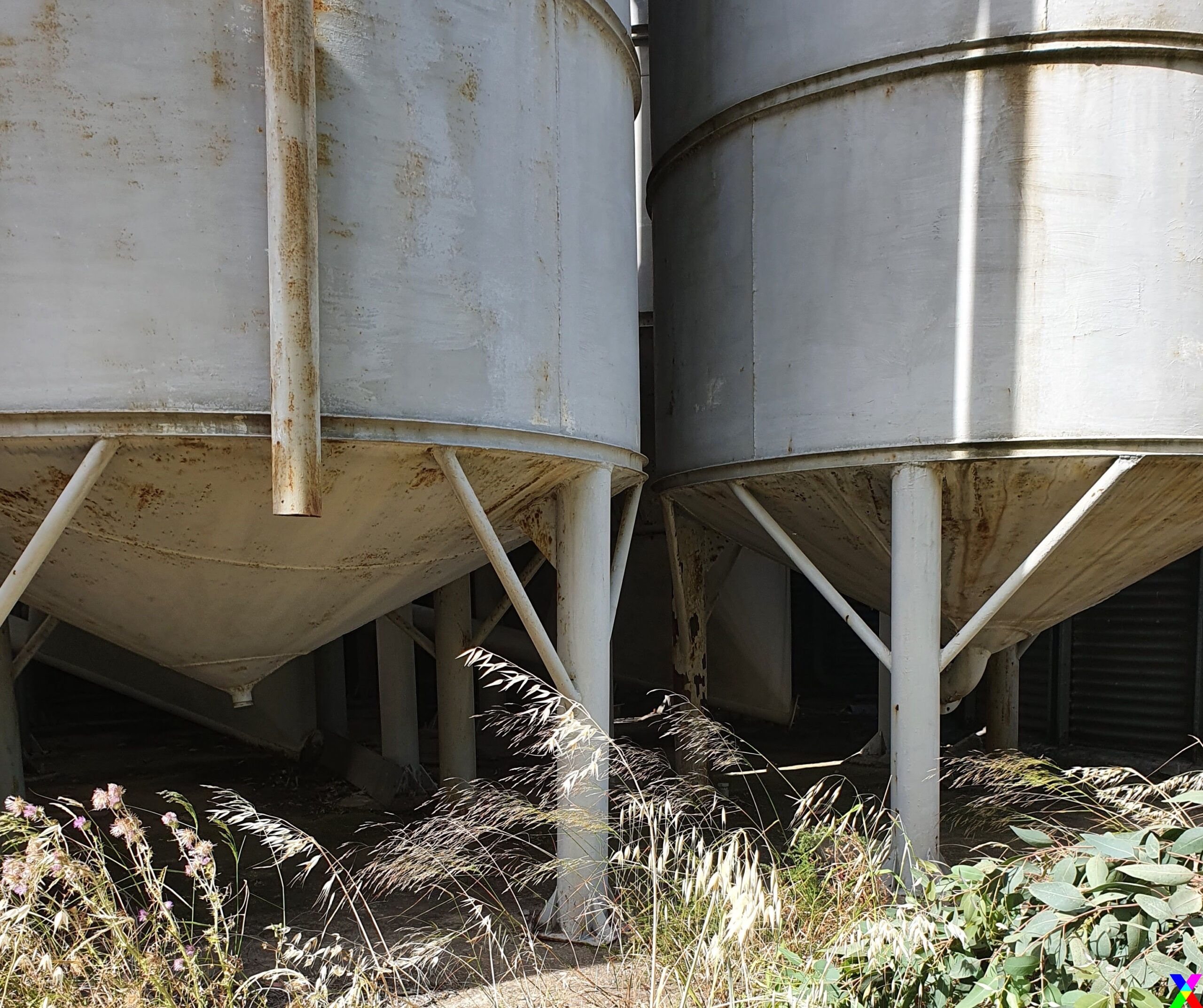
MANGIMIFICIO 15TON/ORA: FARINE, CUBETTI SFUSI O IN SACCHI
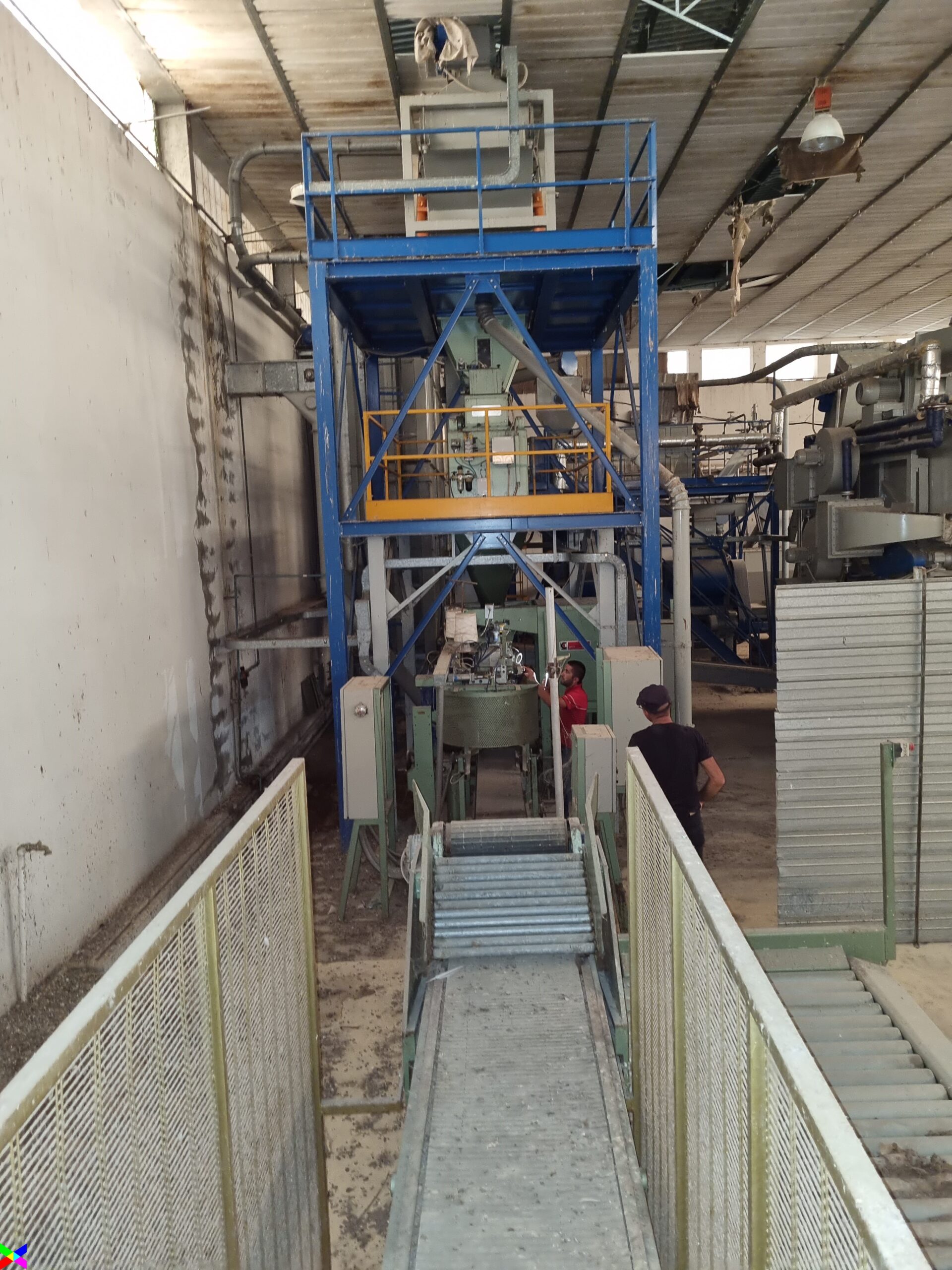
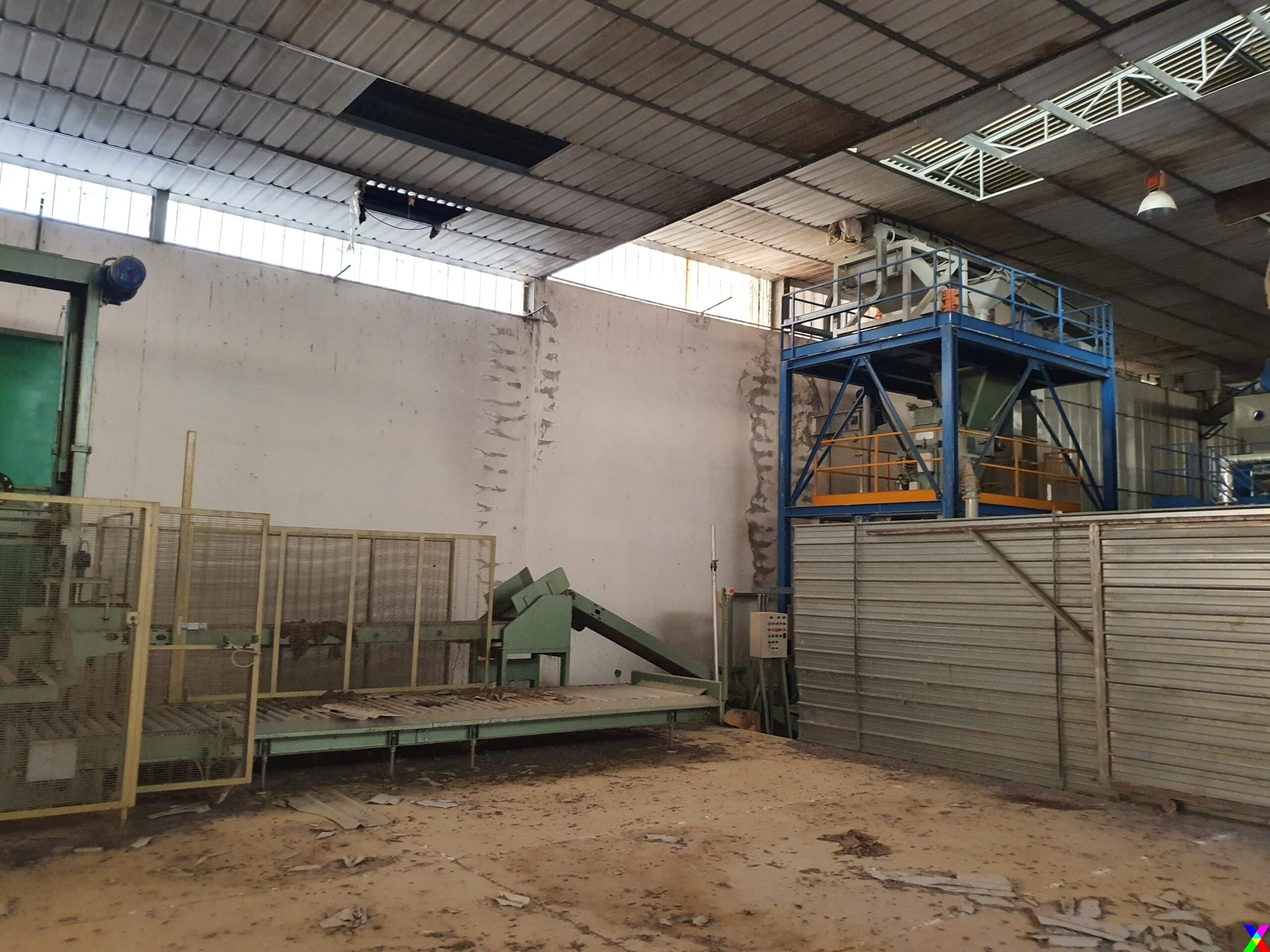
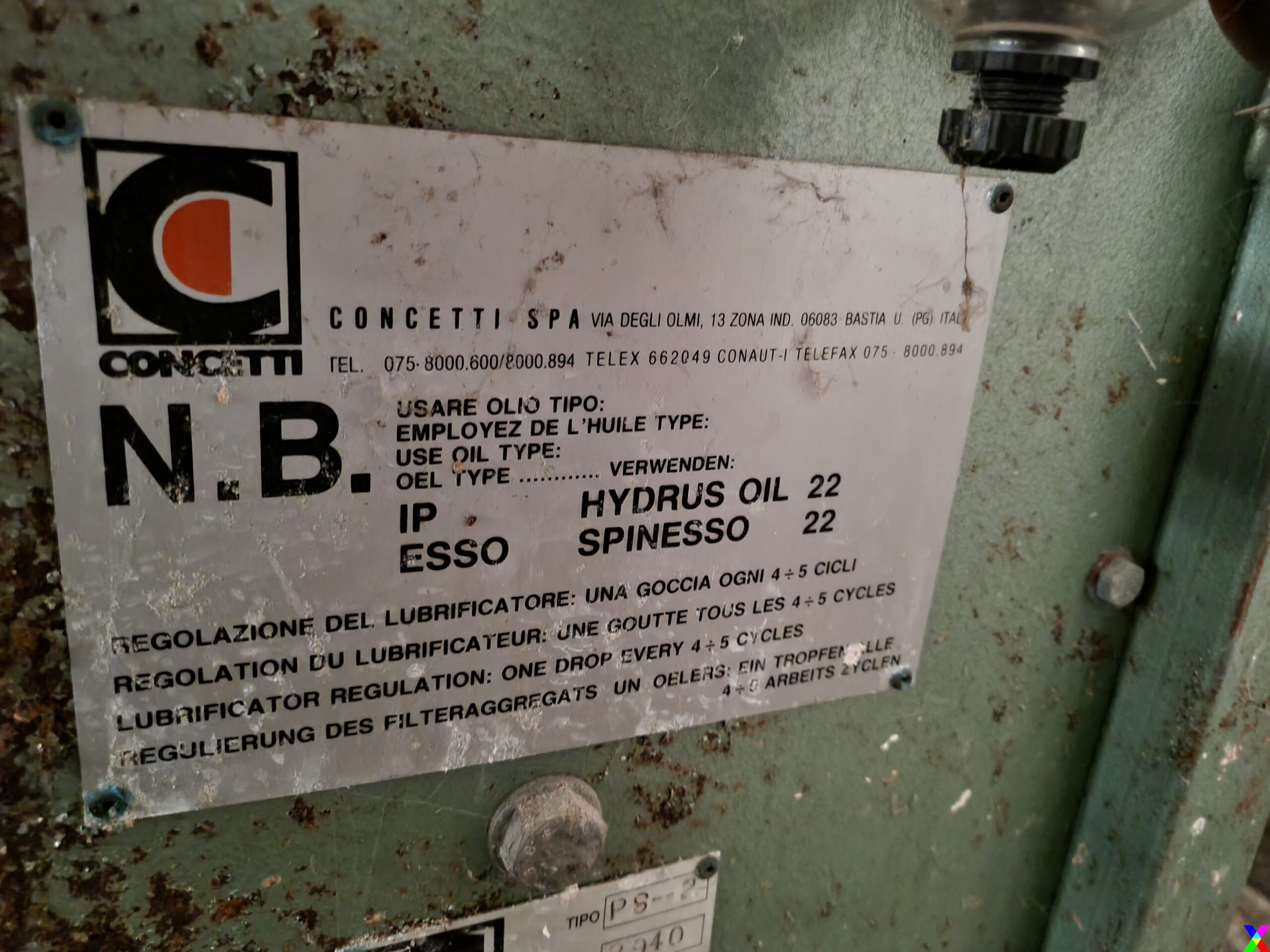
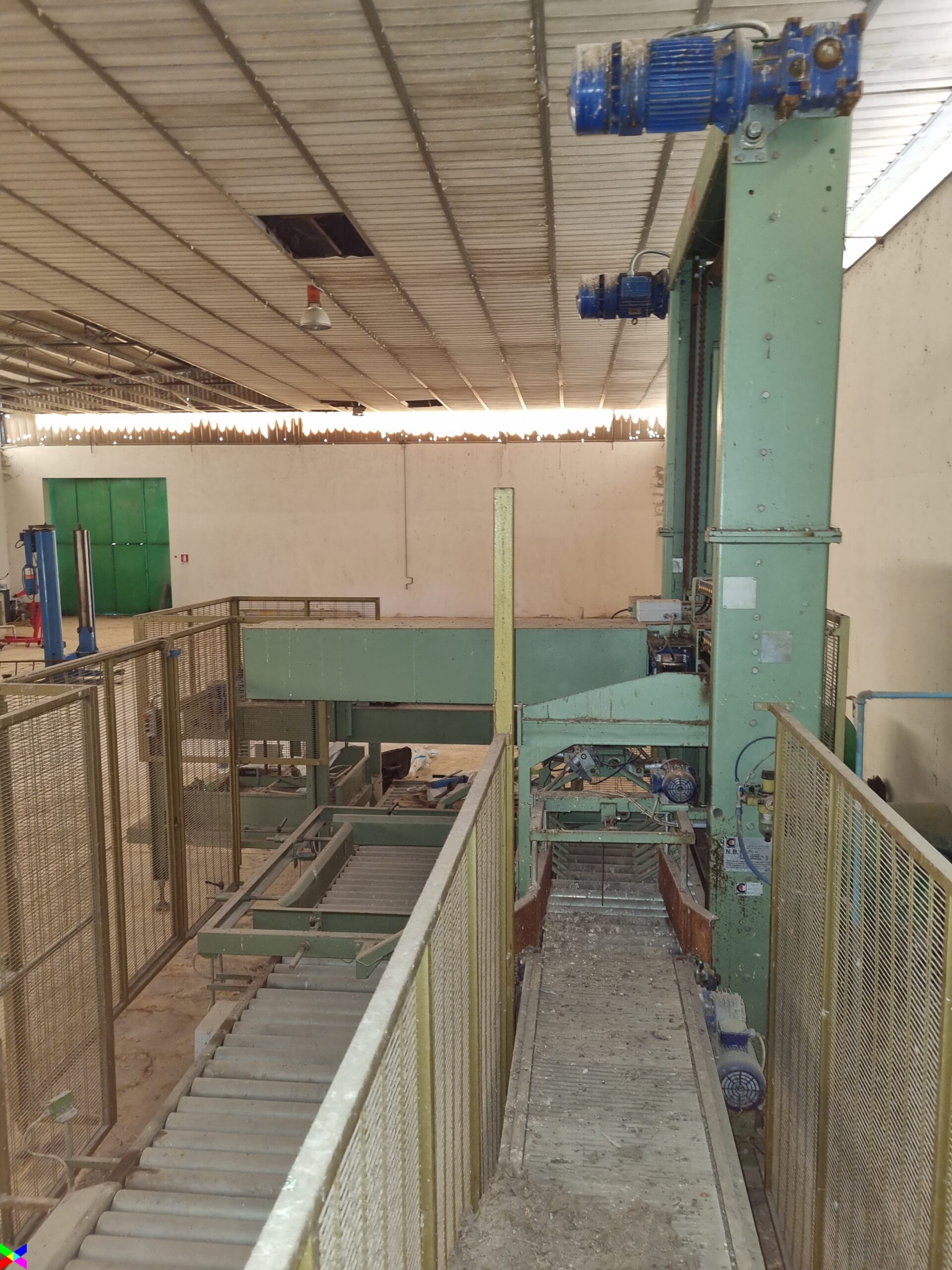
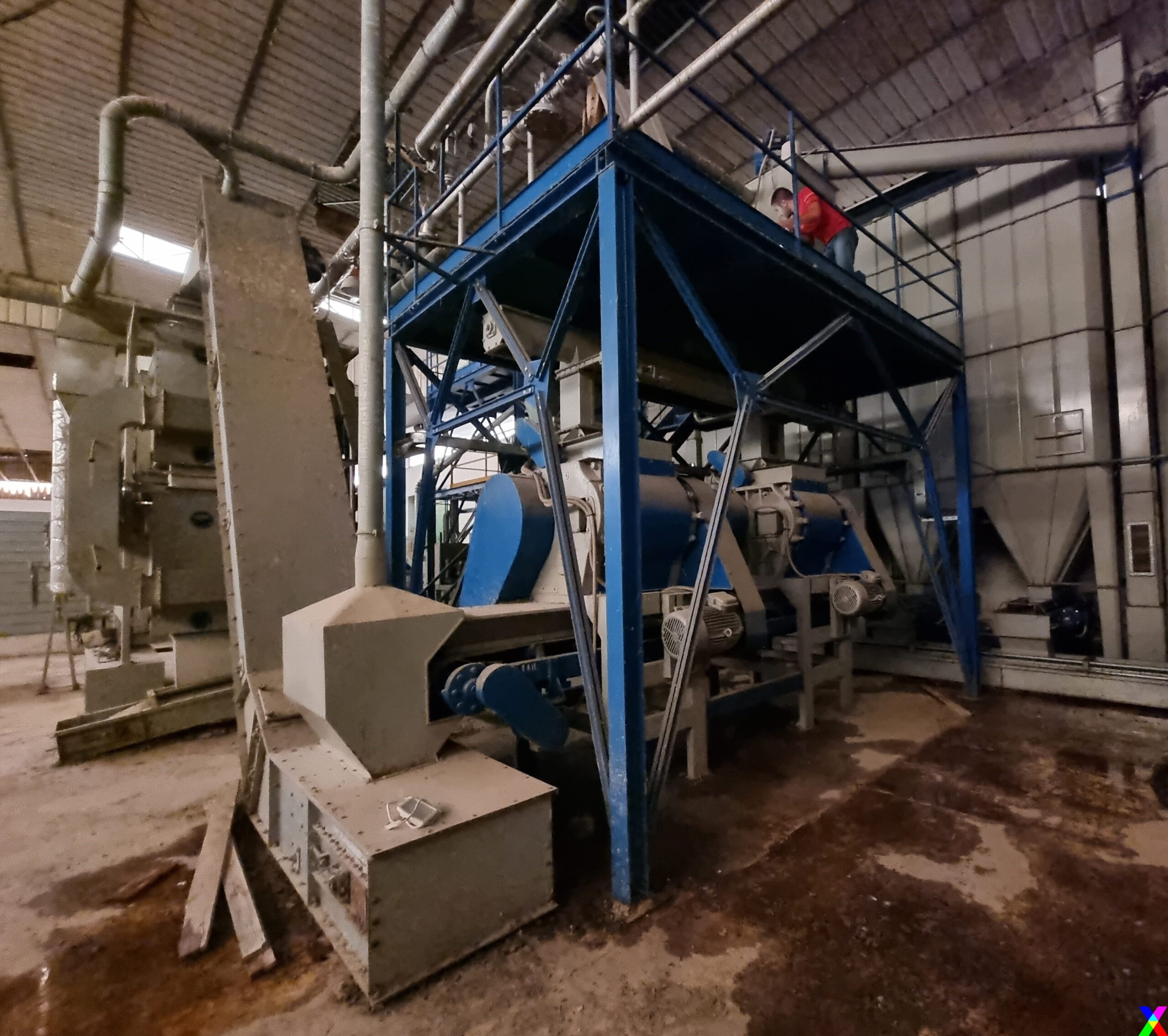
I macchinari, le attrezzature e l’intero impianto verticale di produzione e lavorazione sono stati realizzati negli anni 90 da Azienda leader nel settore pertinente e ancora in forte attività: di fatto il mangimificio non è mai entrato in funzione per questioni burocratiche; per detto motivo è definibile allo stato del nuovo.
Il processo è studiato per la produzione di cereali ad uso zootecnico, in particolare mangimi integrati per suini, bovini, ovini, pollame, etc.: e realizzato in prodotti sotto forma di farine, cubetti e schiacciati, sia sfusi che confezionati.
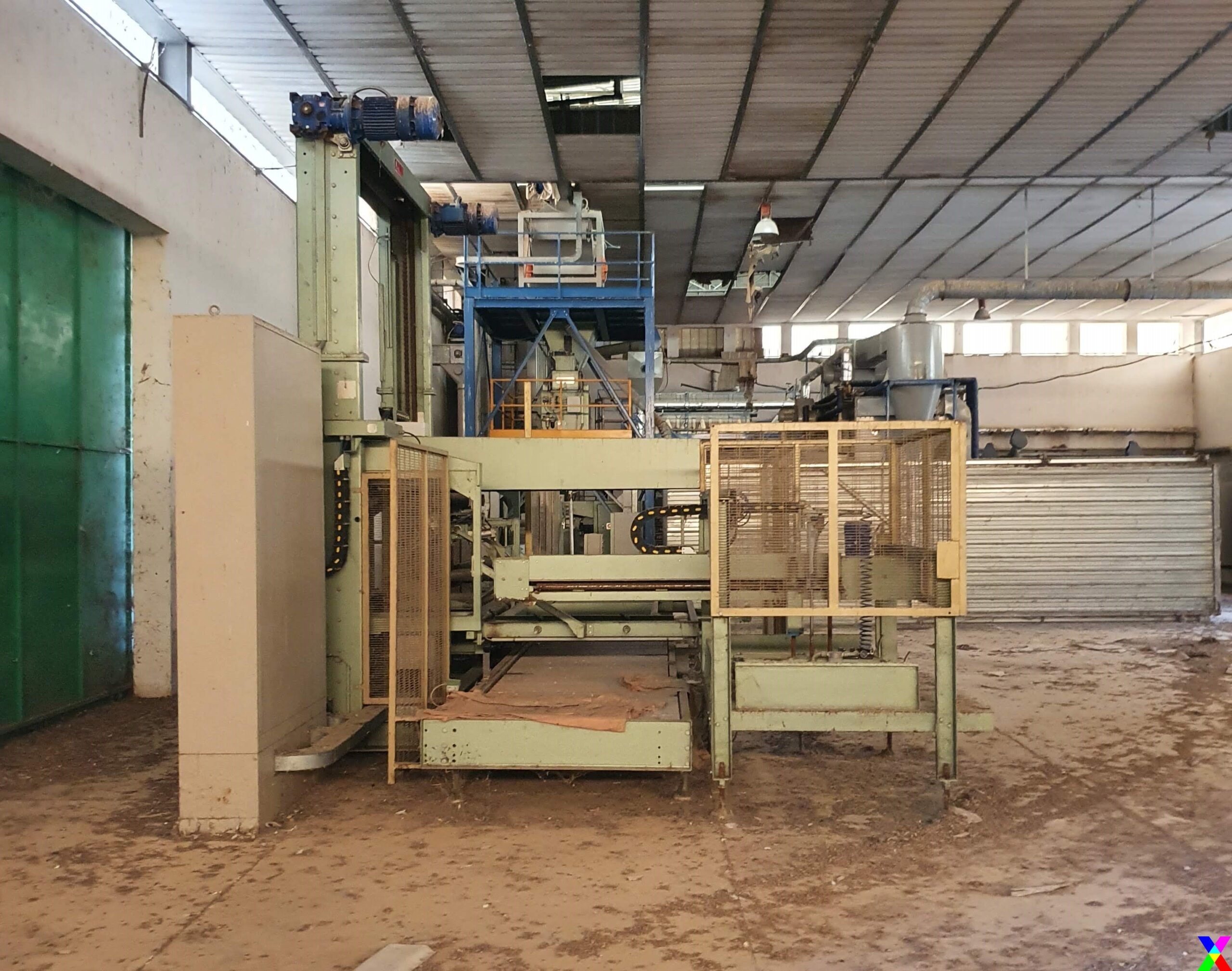
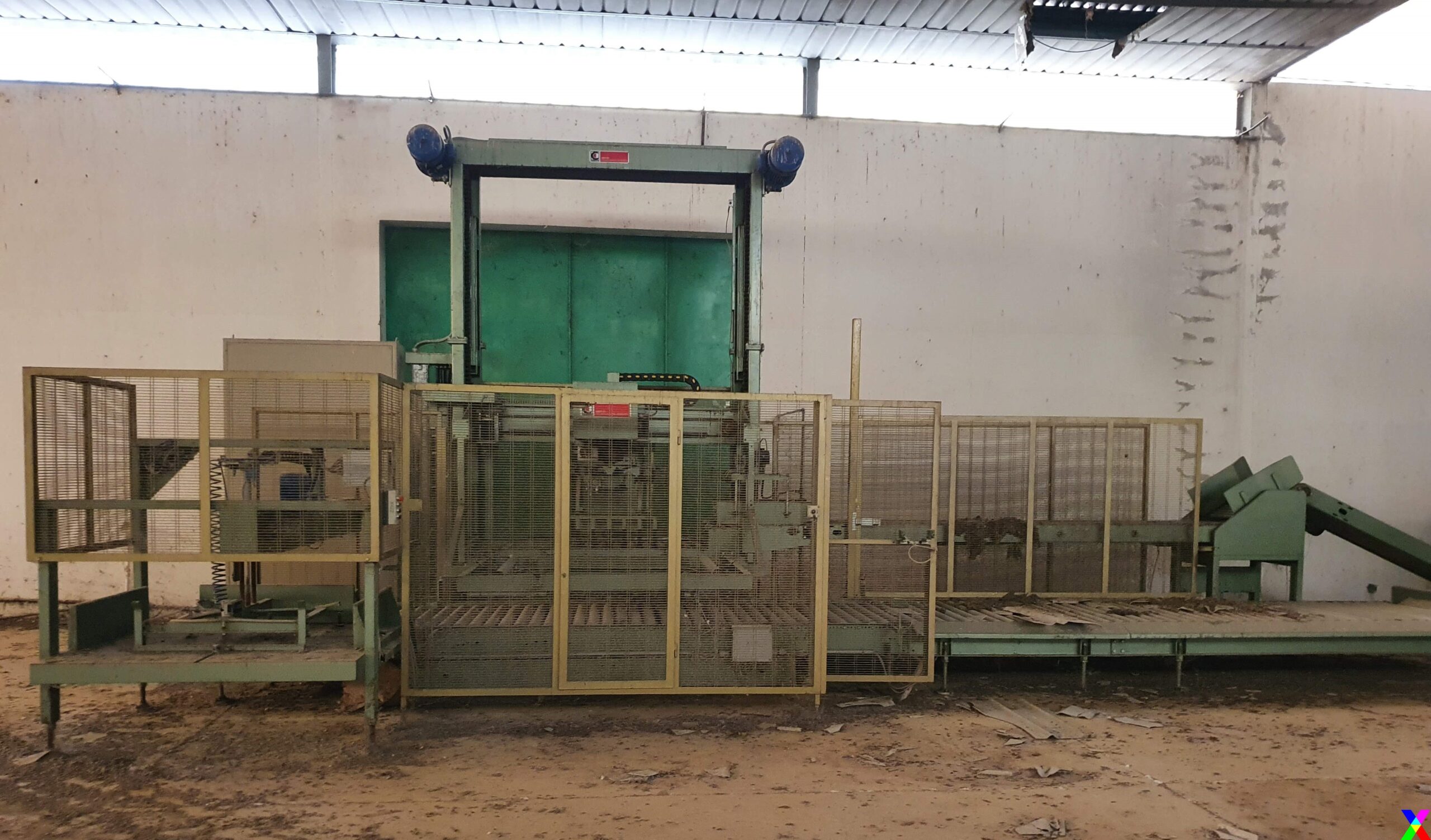
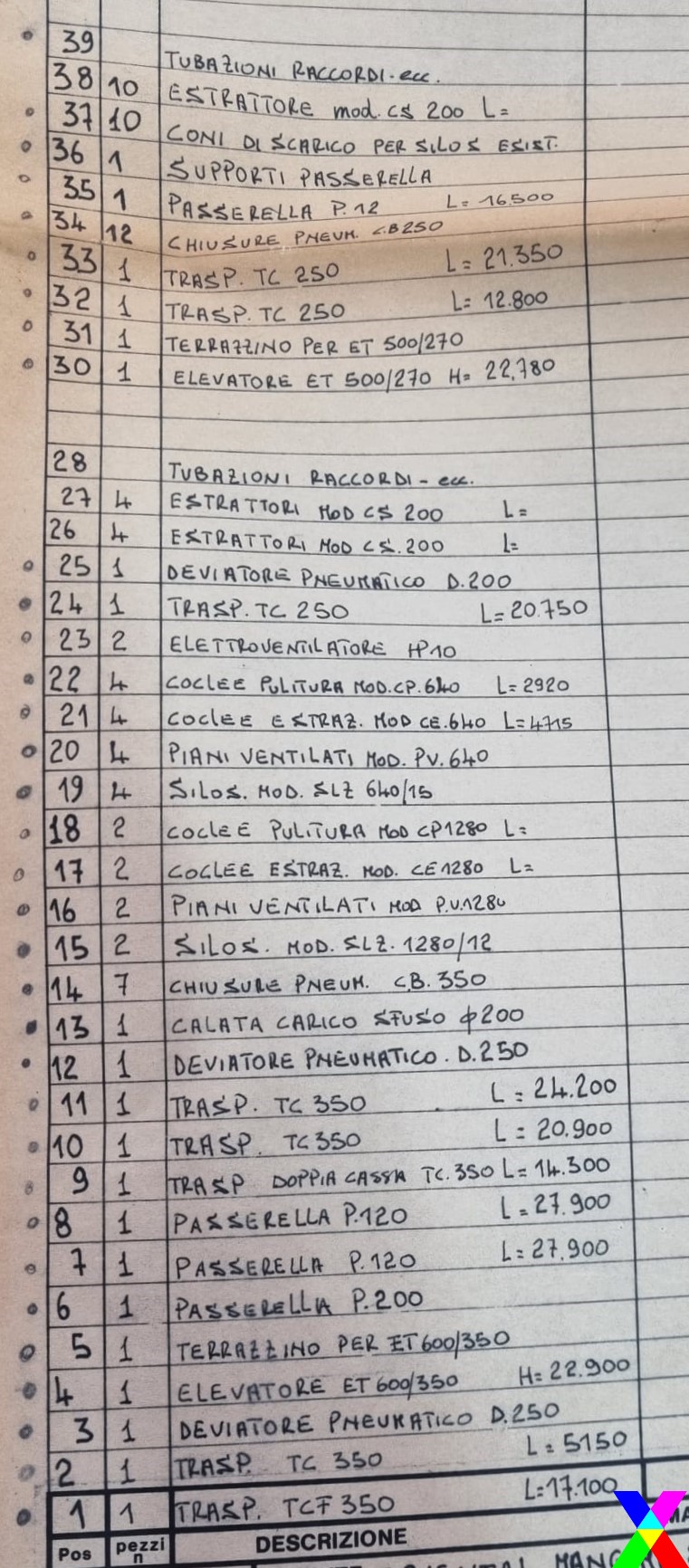
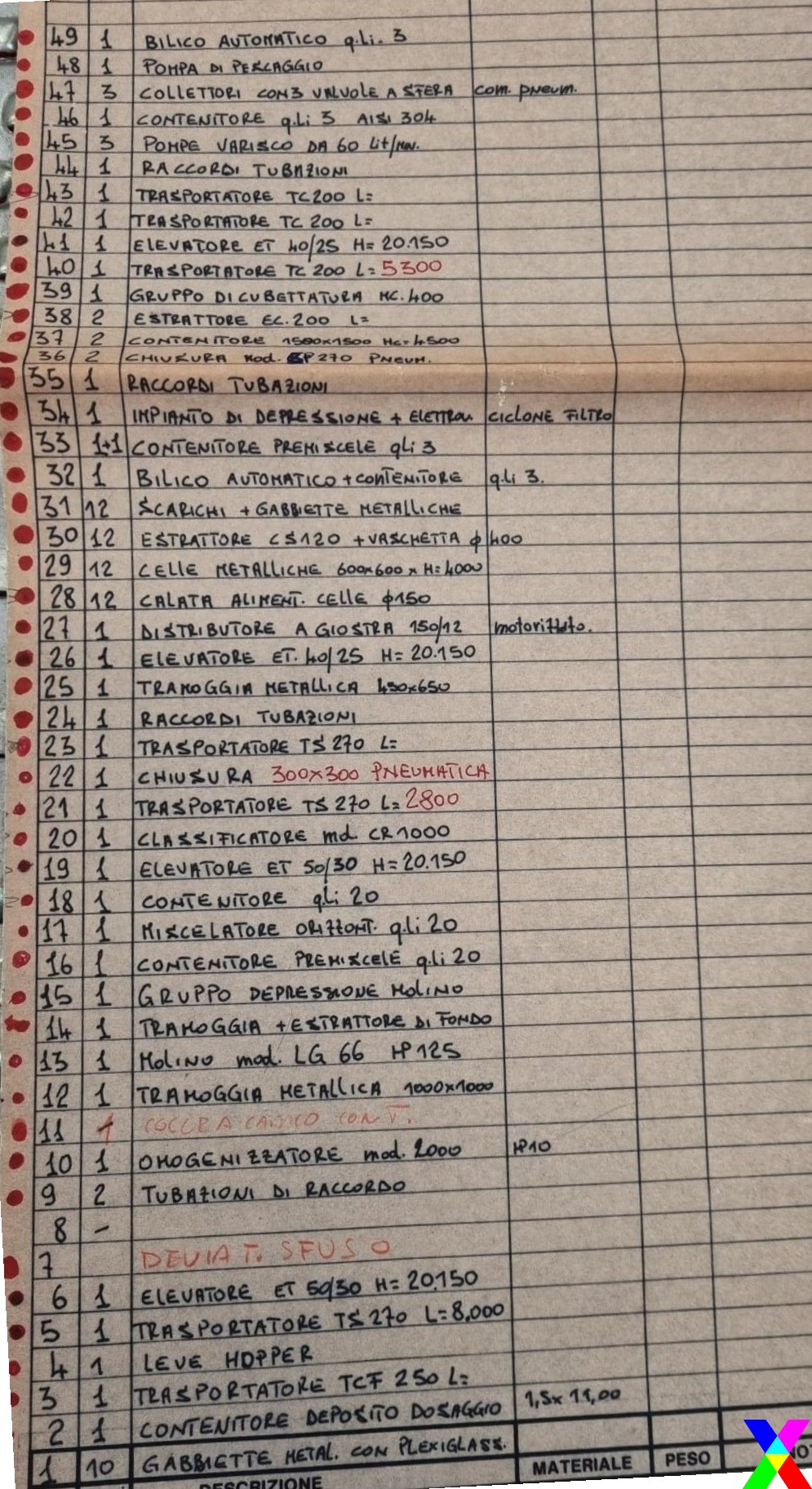
Il progetto specifico ed il ciclo di produzione dell’impianto sono previste dieci fasi di lavorazione autosufficiente, è contemplata l’intera lavorazione fino al confezionamento ed alla pallettizzazione.
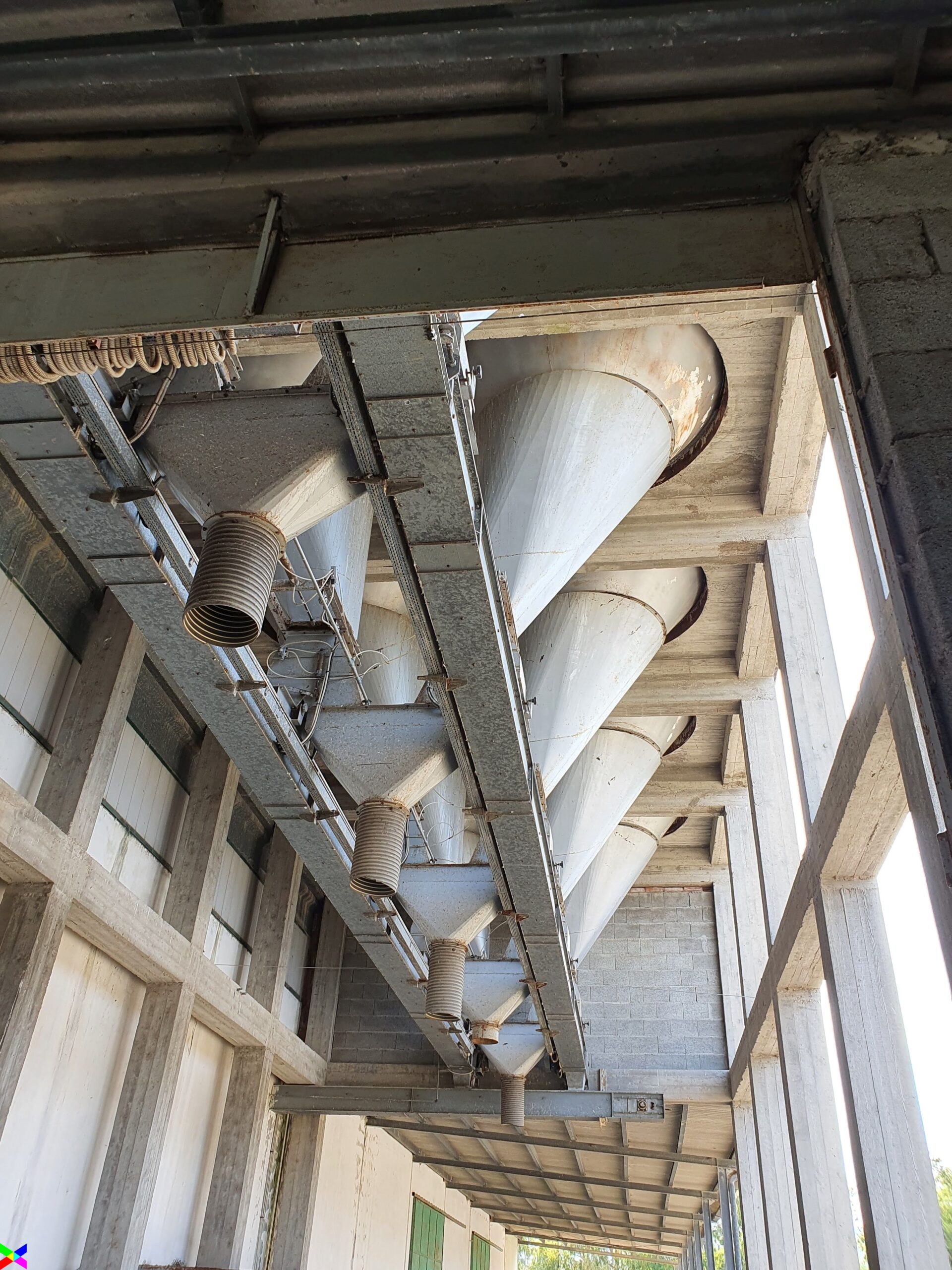
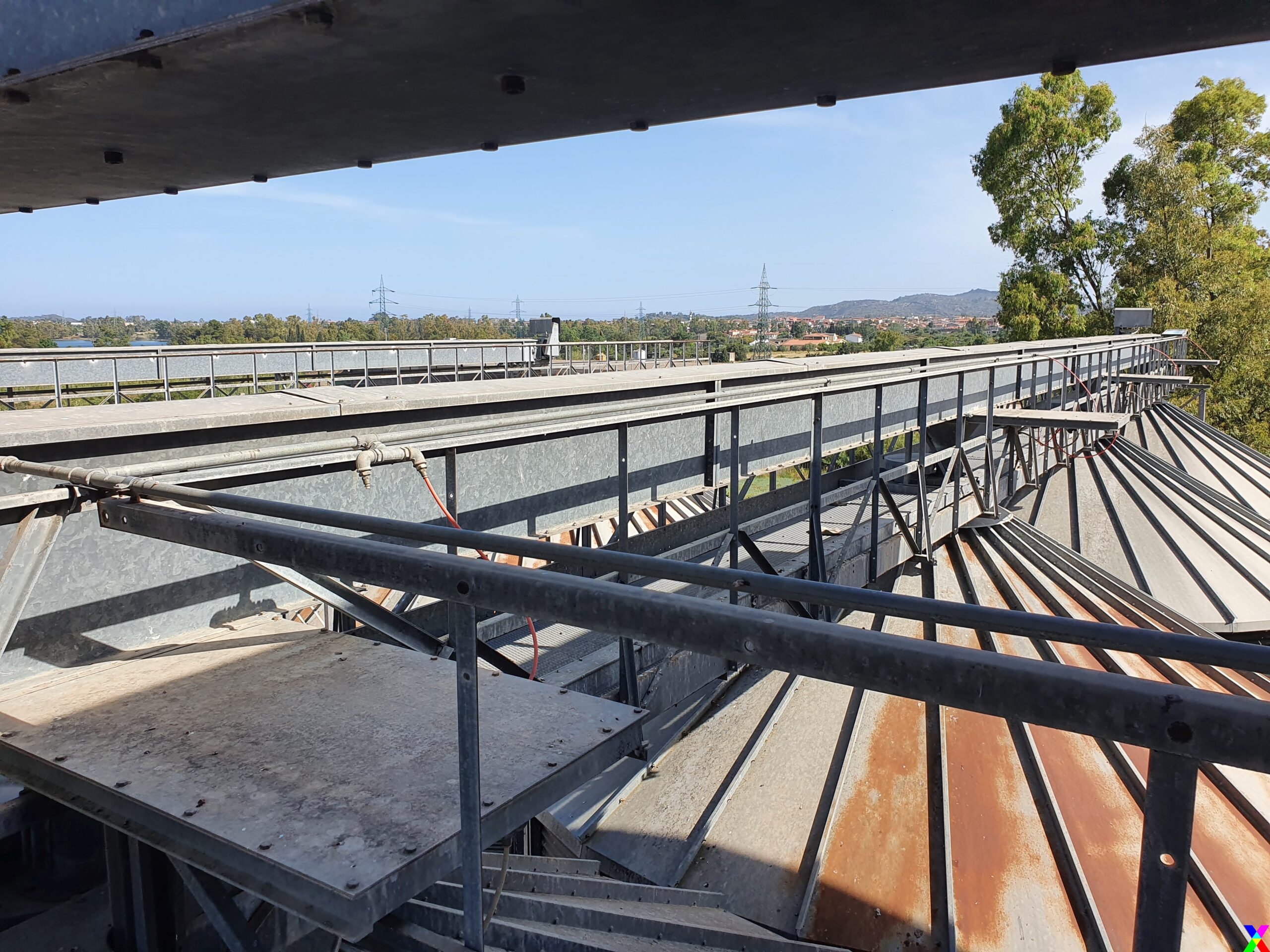
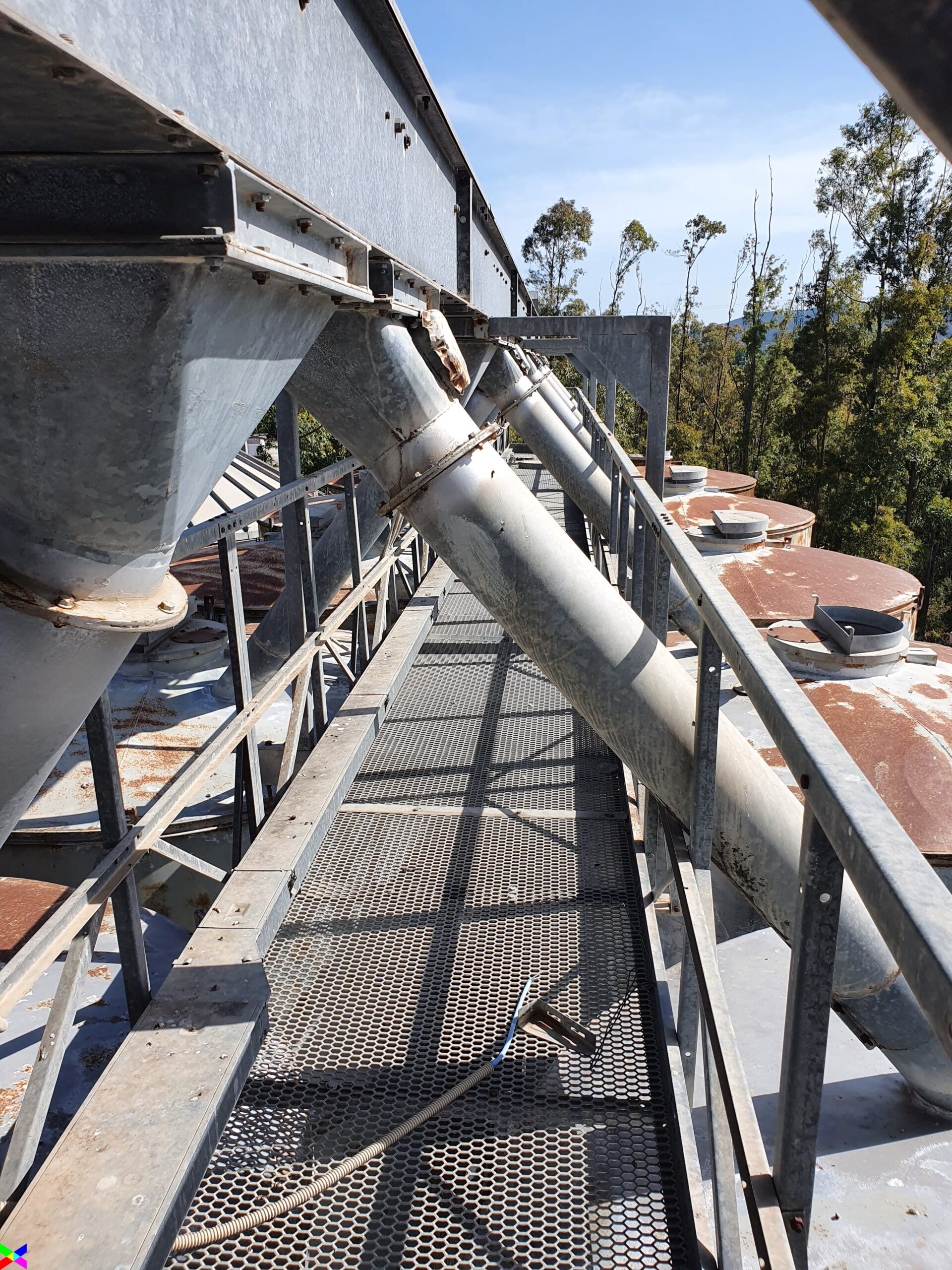
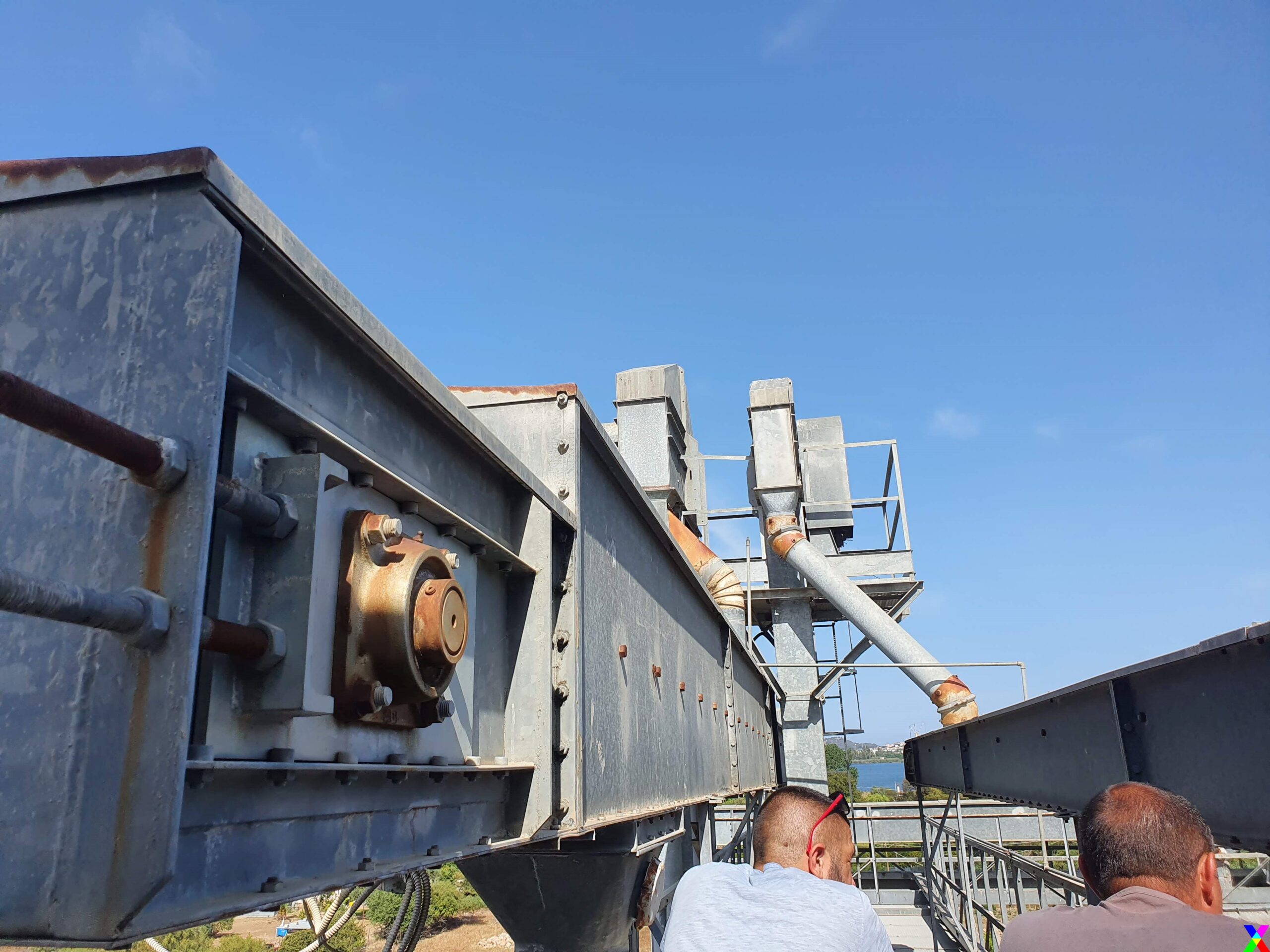
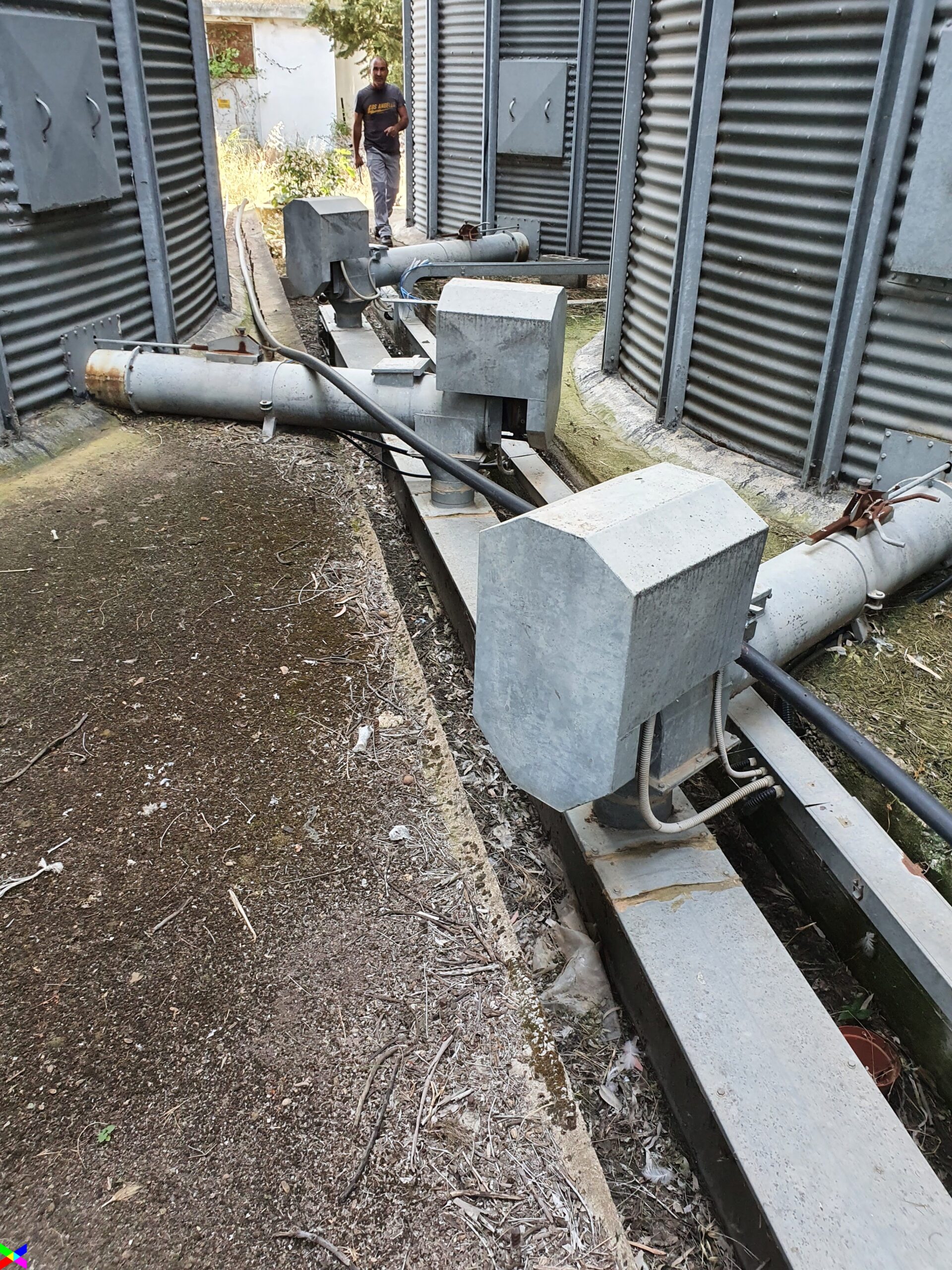
Sinteticamente il processo produttivo inizia nella tettoia-patio dove avvene la fase della ricezione (pesatura e scarico) delle materie prime. La Pesa è una piattaforma per il ribaltamento sia laterale che posteriore degli autocarri adibiti al trasporto delle materie prime. Quindi mediante una tramoggia metallica di dimensioni 14 x 2,50 metri con griglia portante, le materie prime viene stoccata nei silos anche con l’ausilio dei nastri trasportatori (potenzialità pari a circa 100 t/h).
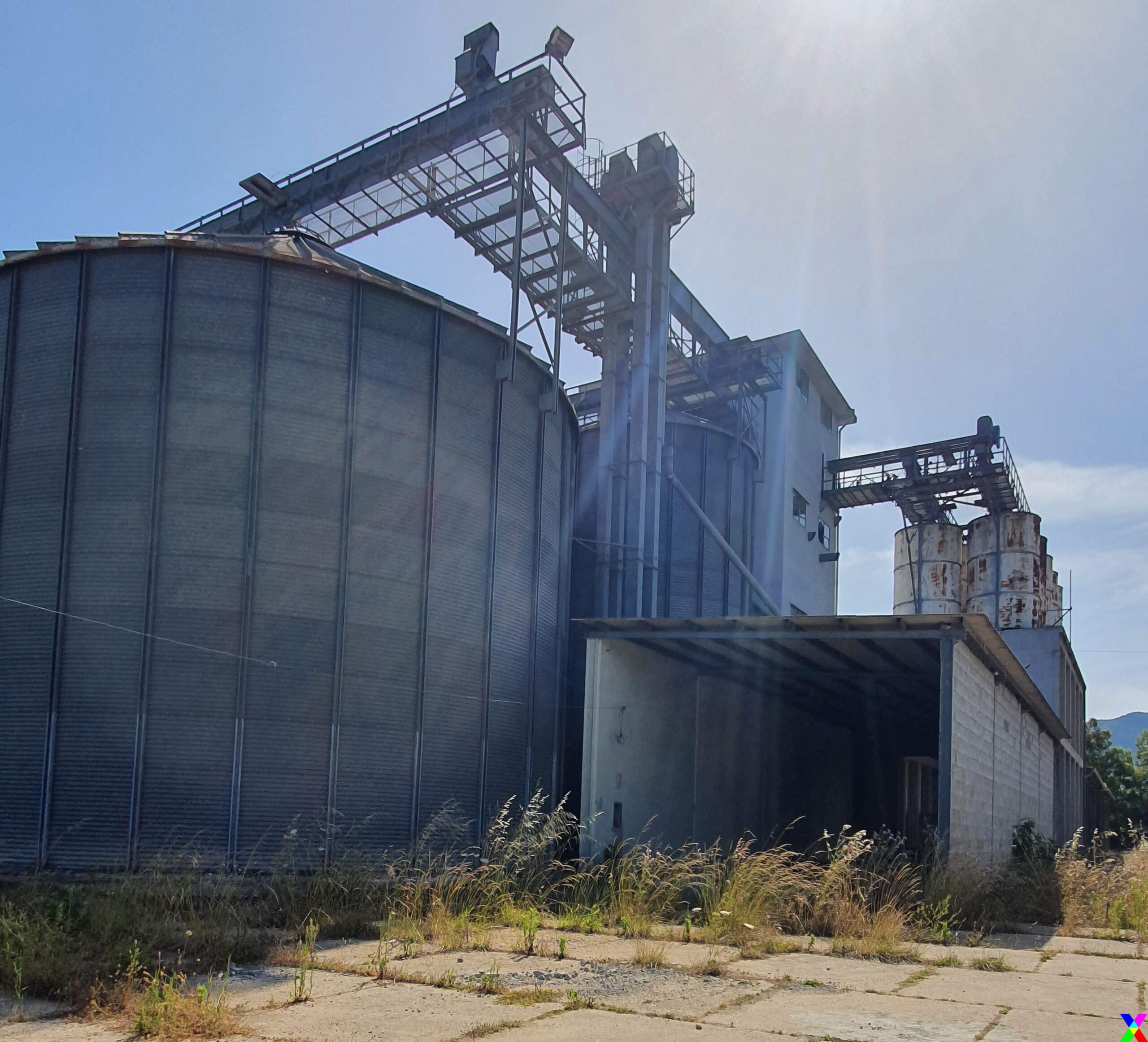
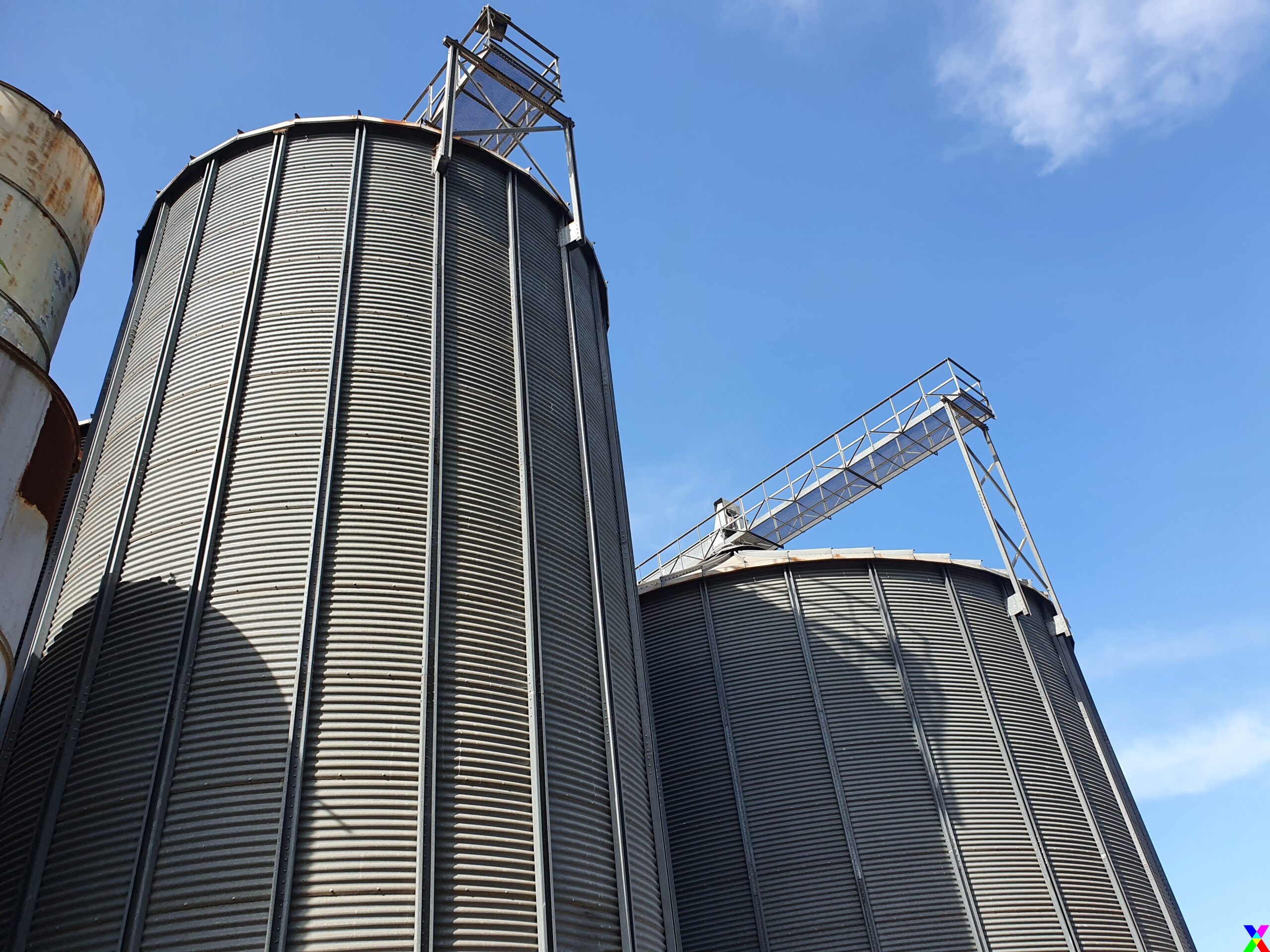
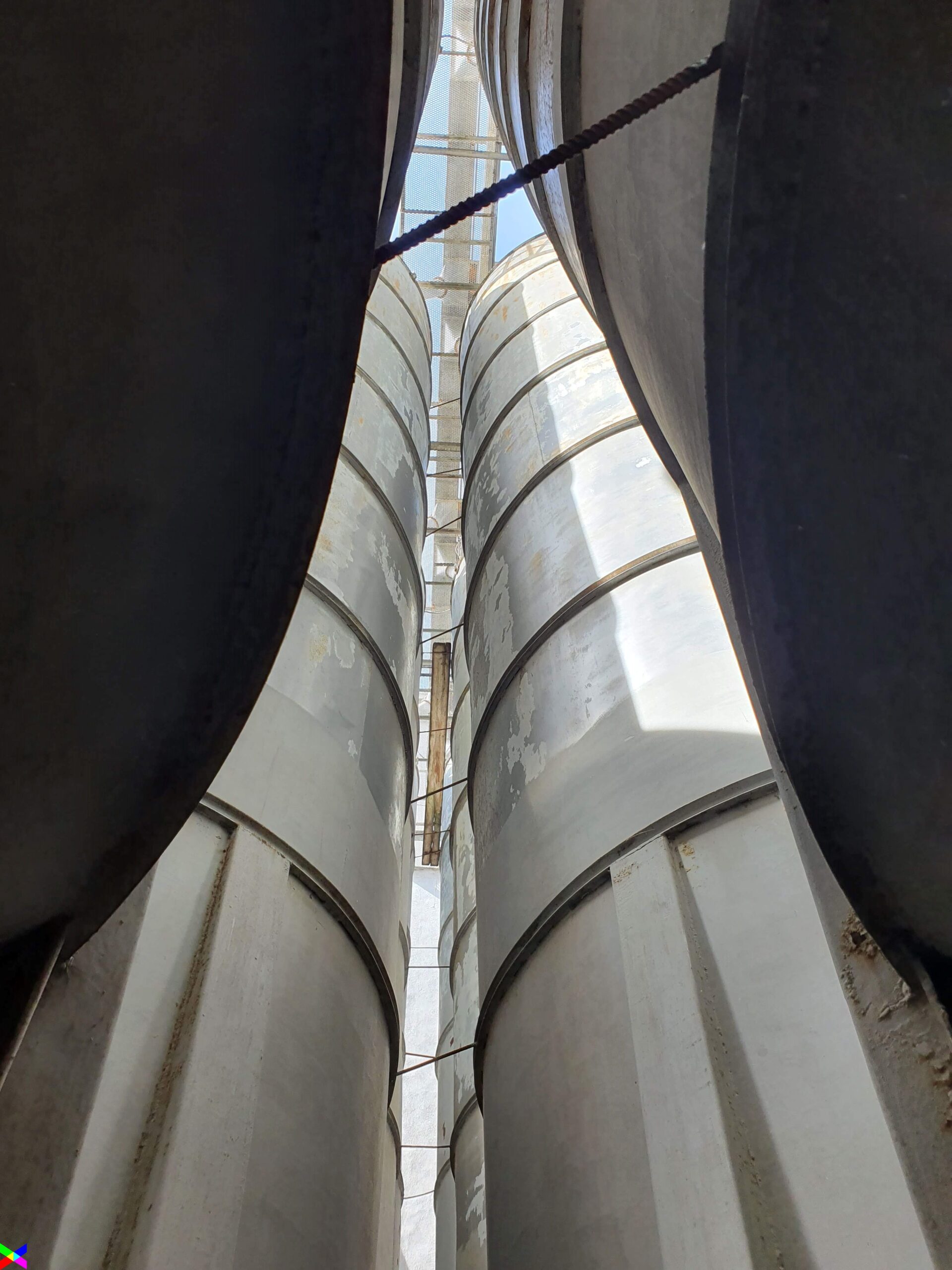
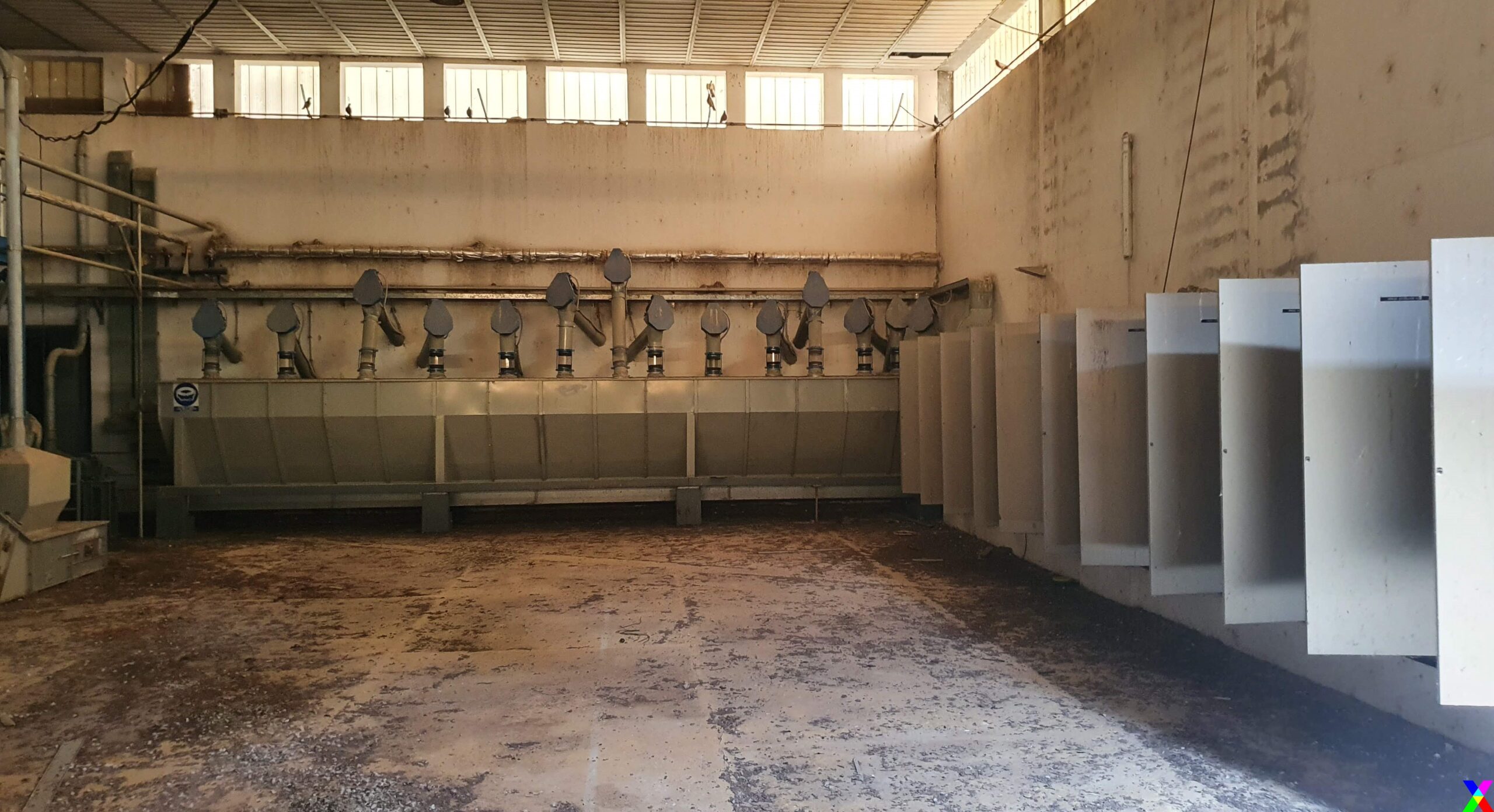
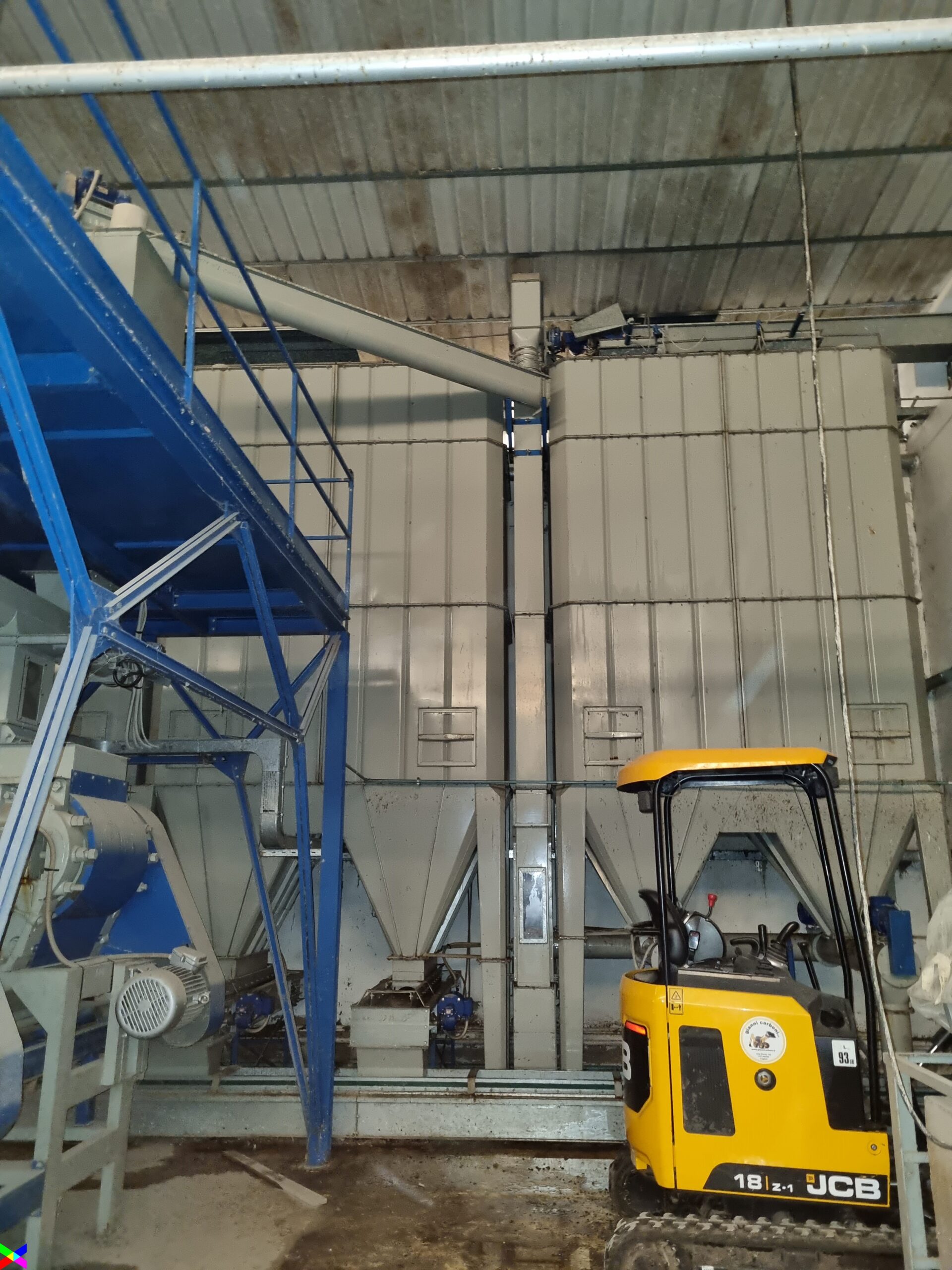
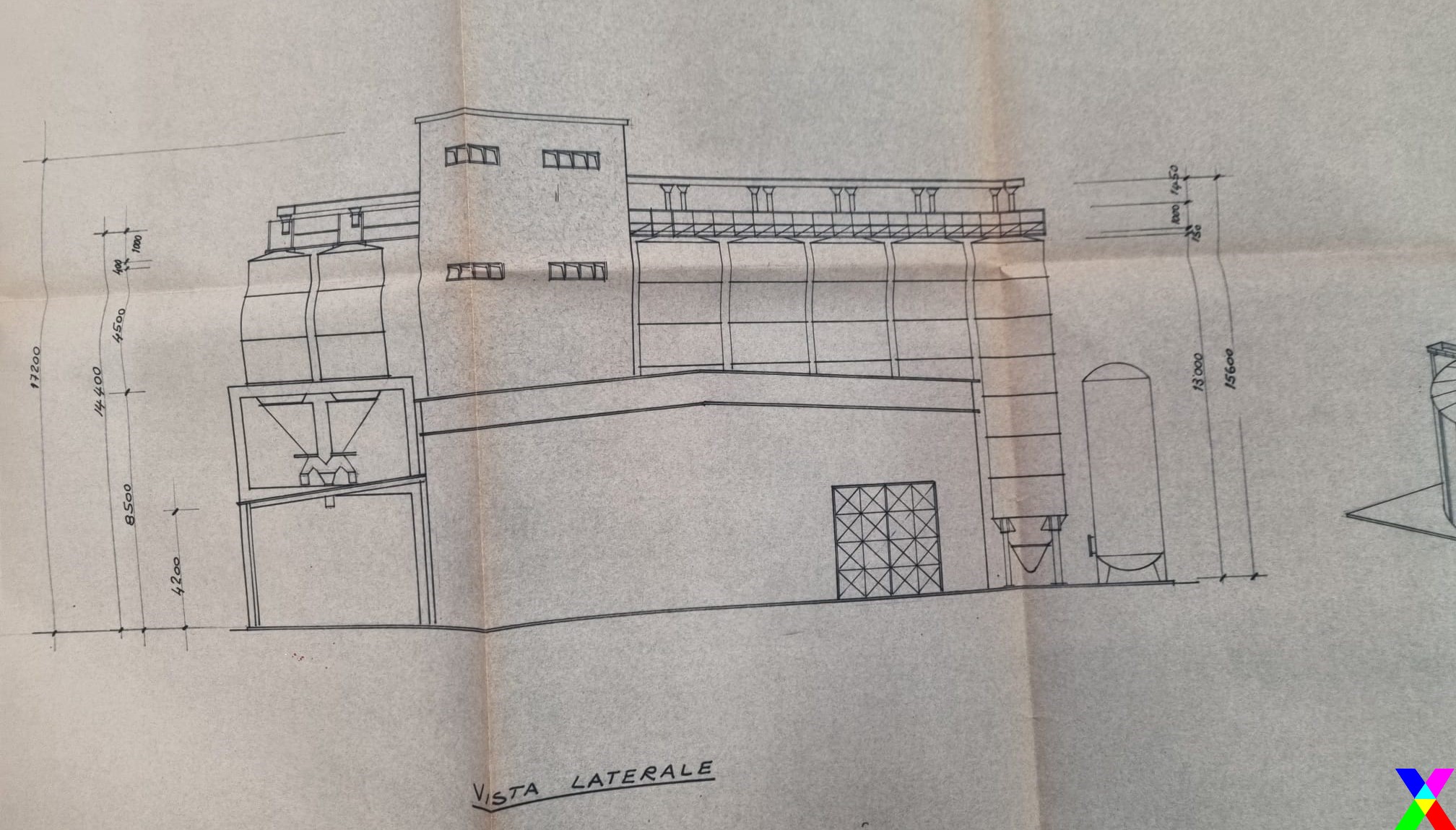
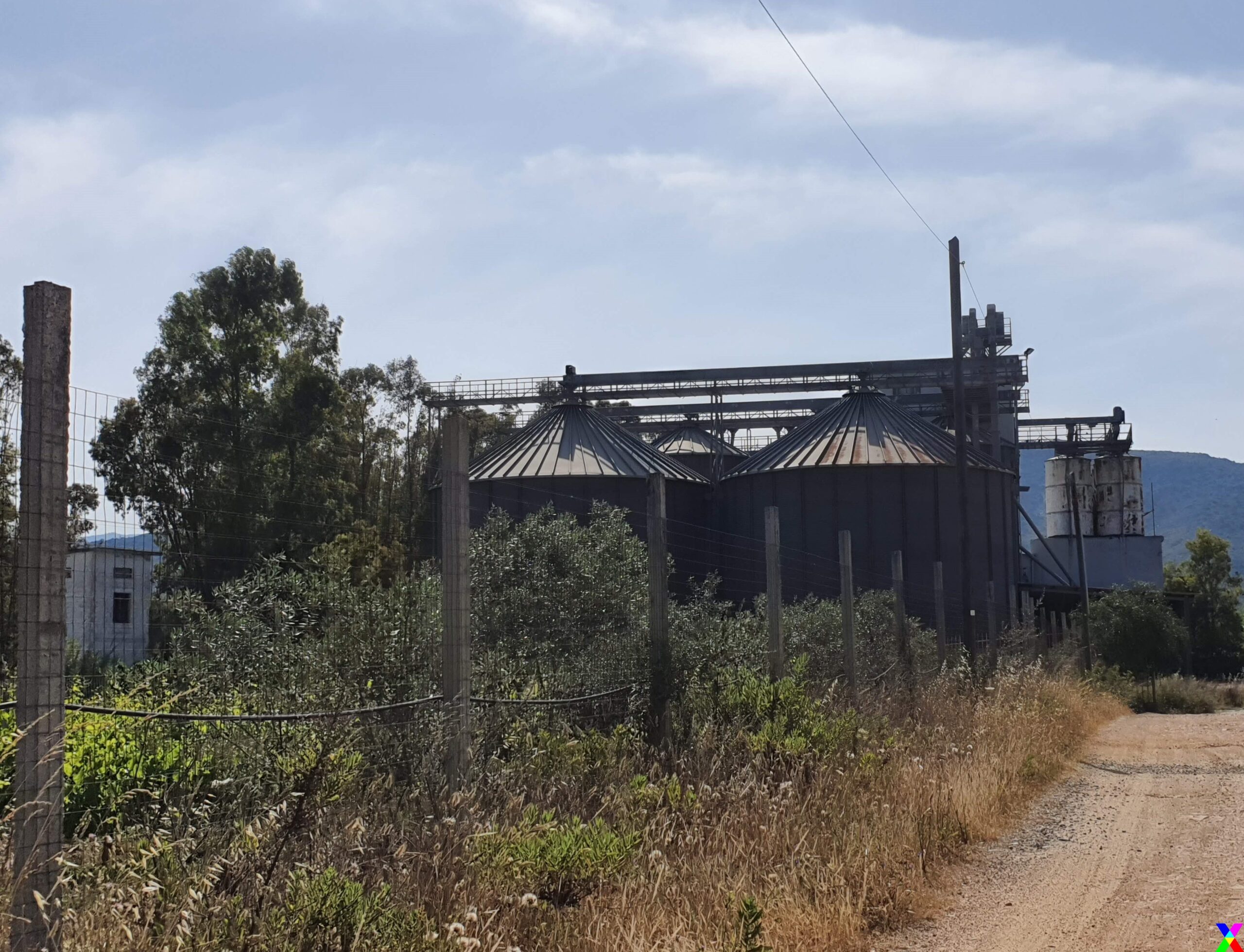
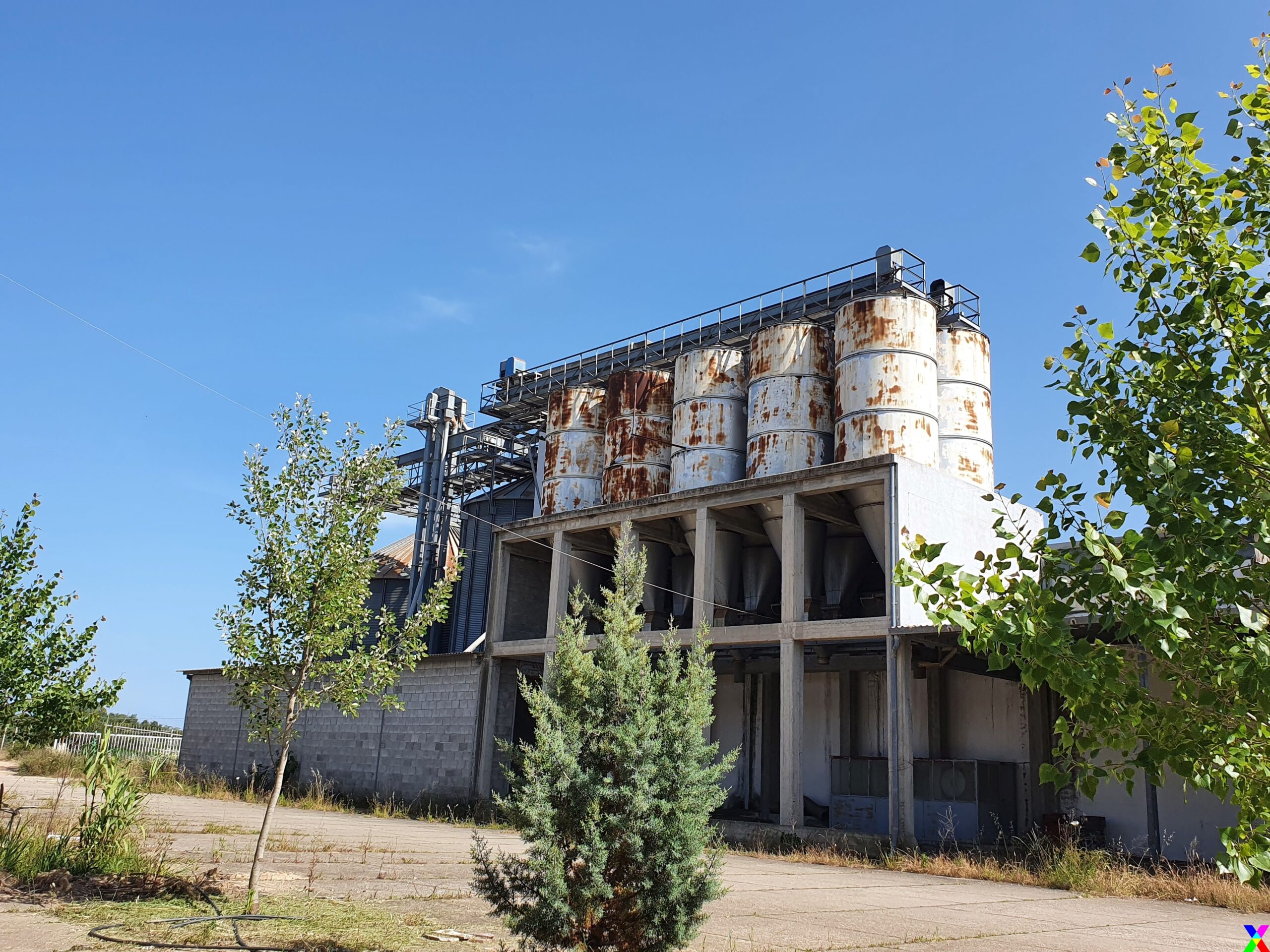
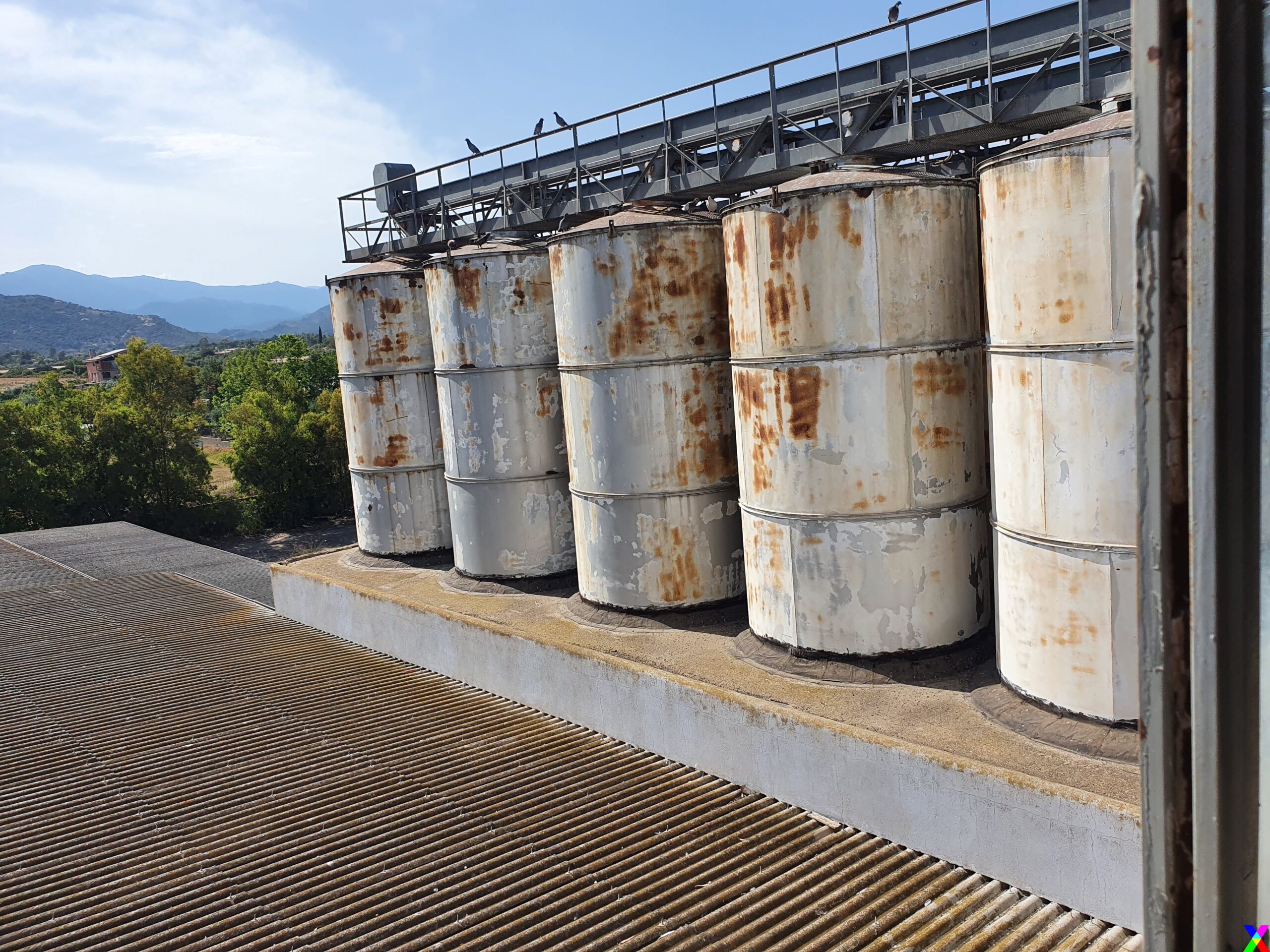
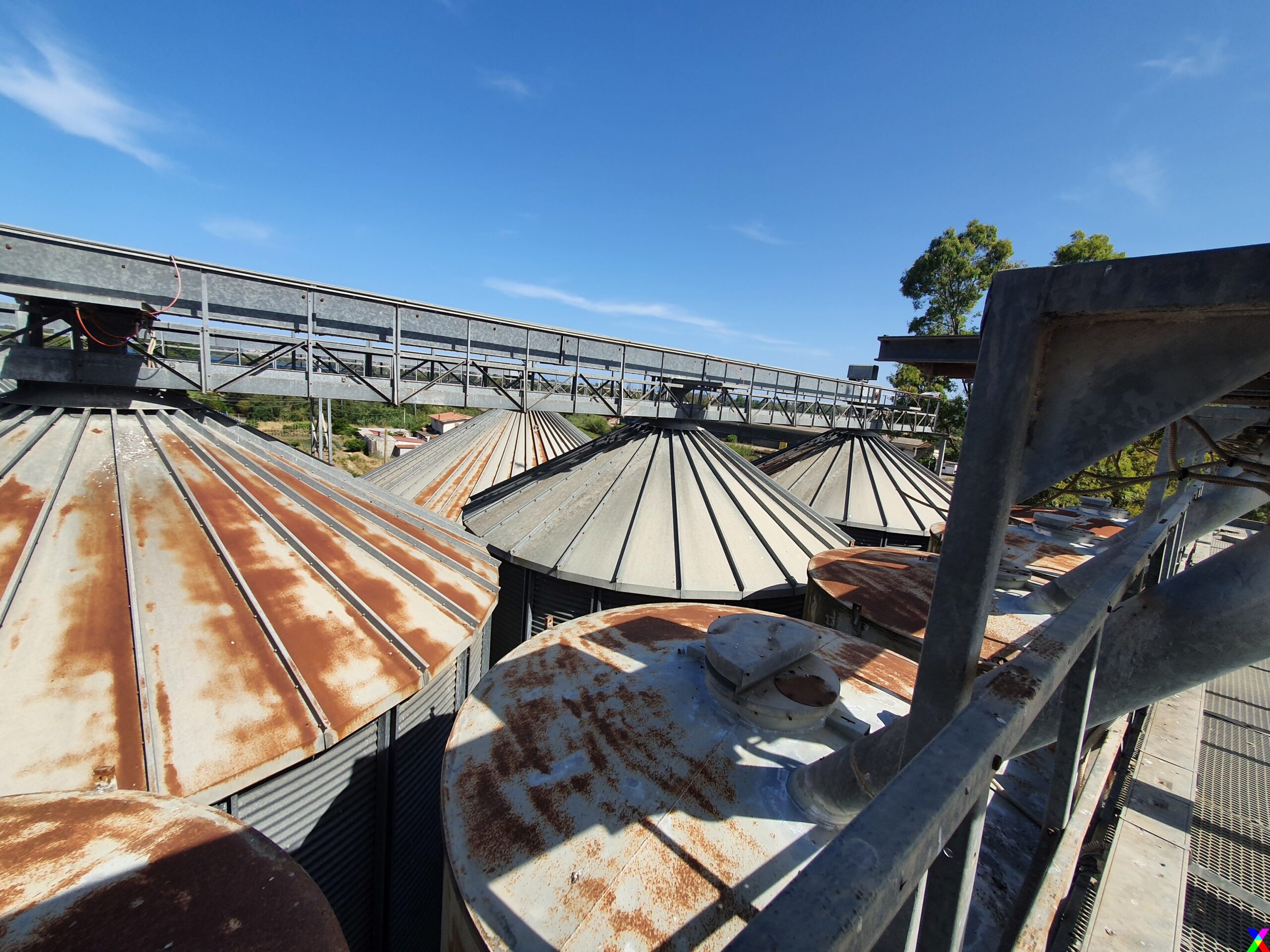
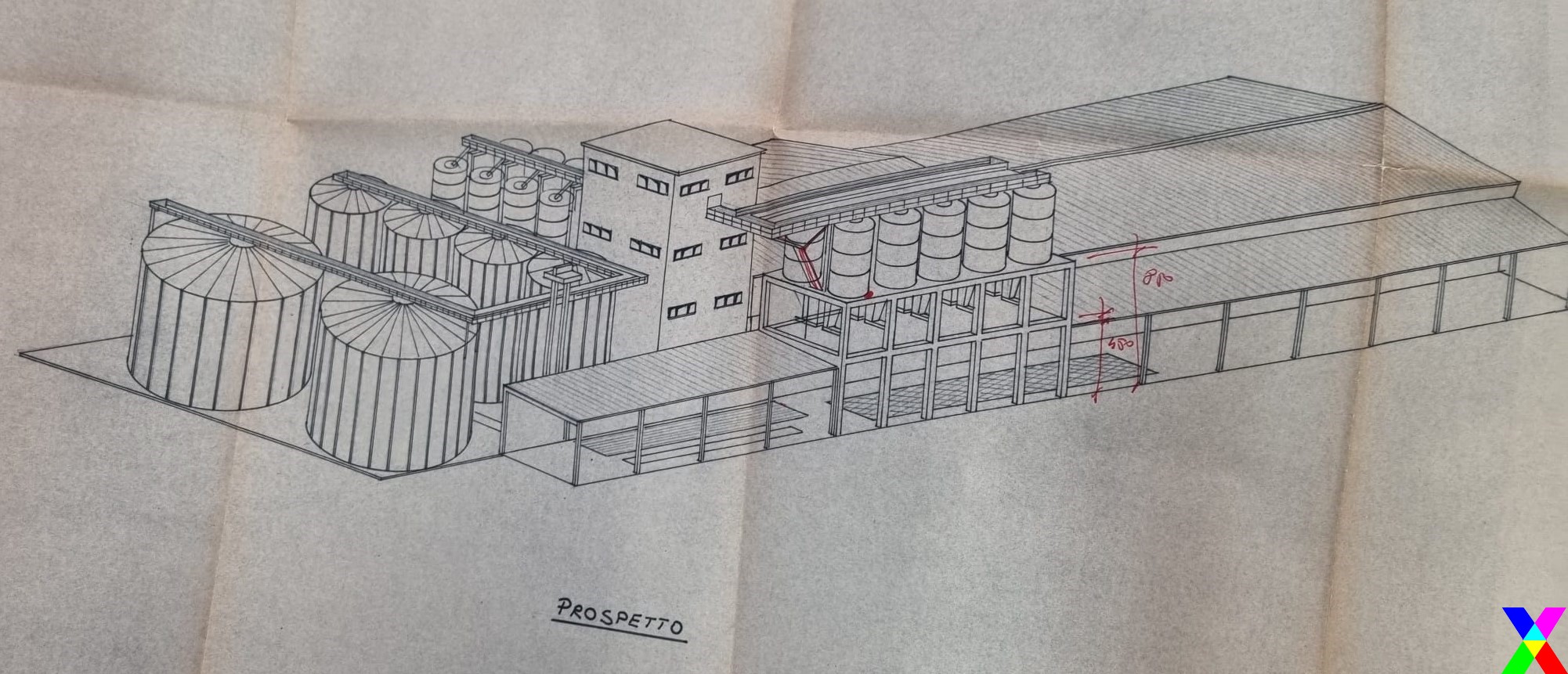
I silos metallici, di tipo cilindrico verticale, sono 16, con volumi variabili tra 70 e 1.350 mc. Il volume complessivo di stoccaggio è di mc 5.000.
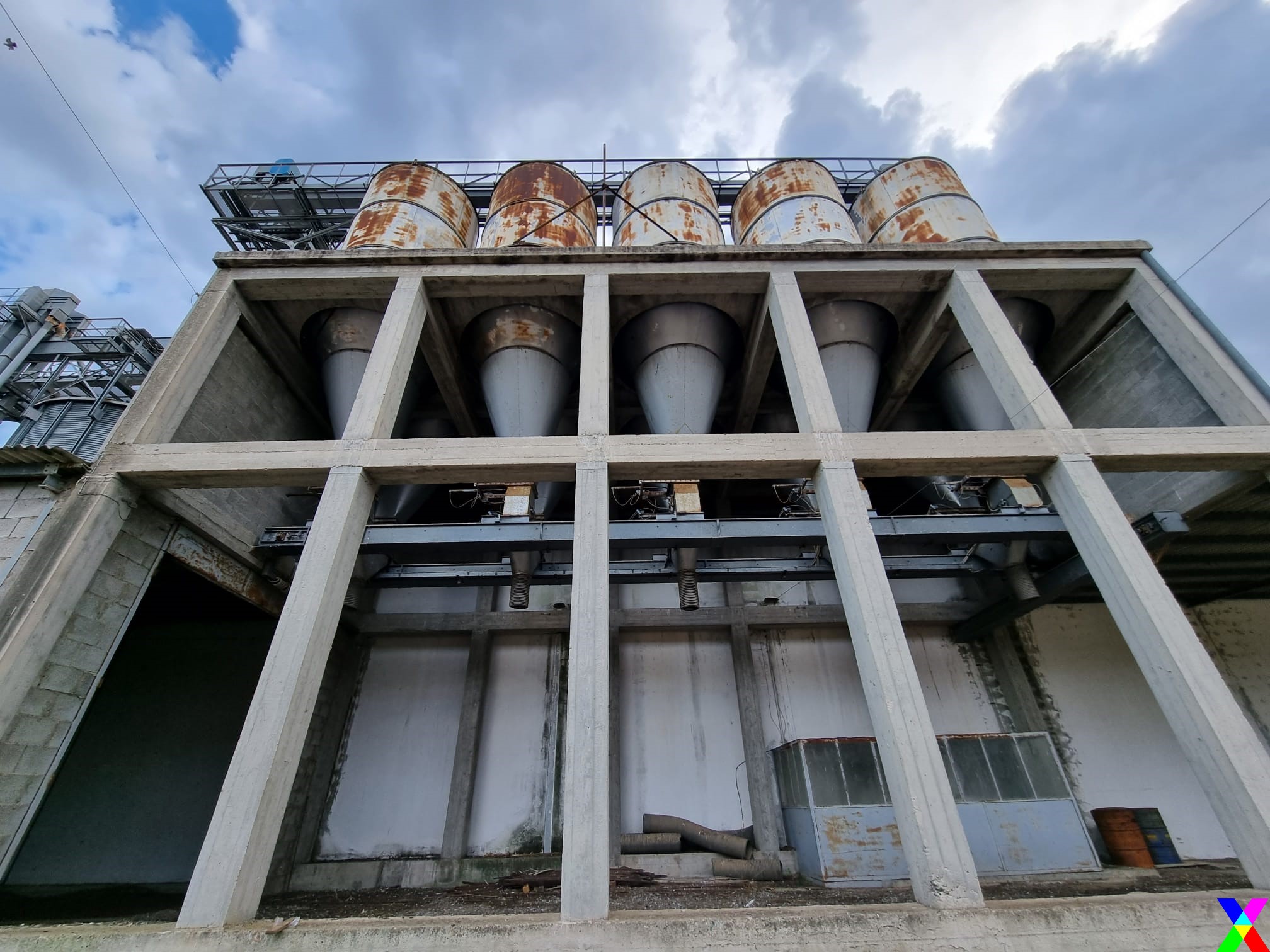
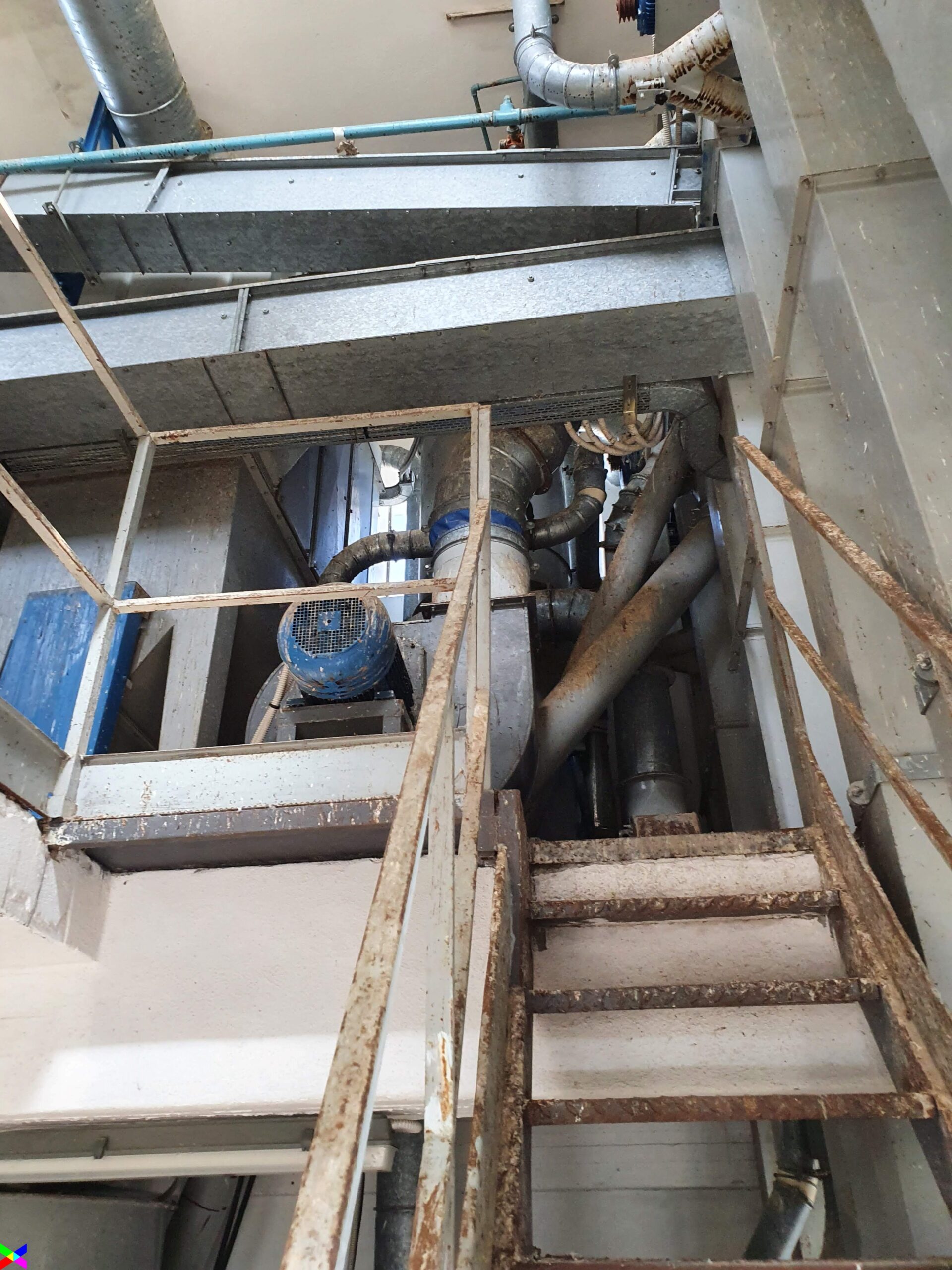
Le materie prime dai silos passano mediante nastri nella parte alta della struttura in cemento armato a sviluppo verticale. La sua altezza è di 17 m, la pianta è rettangolare di 7,50 m x 6,50.
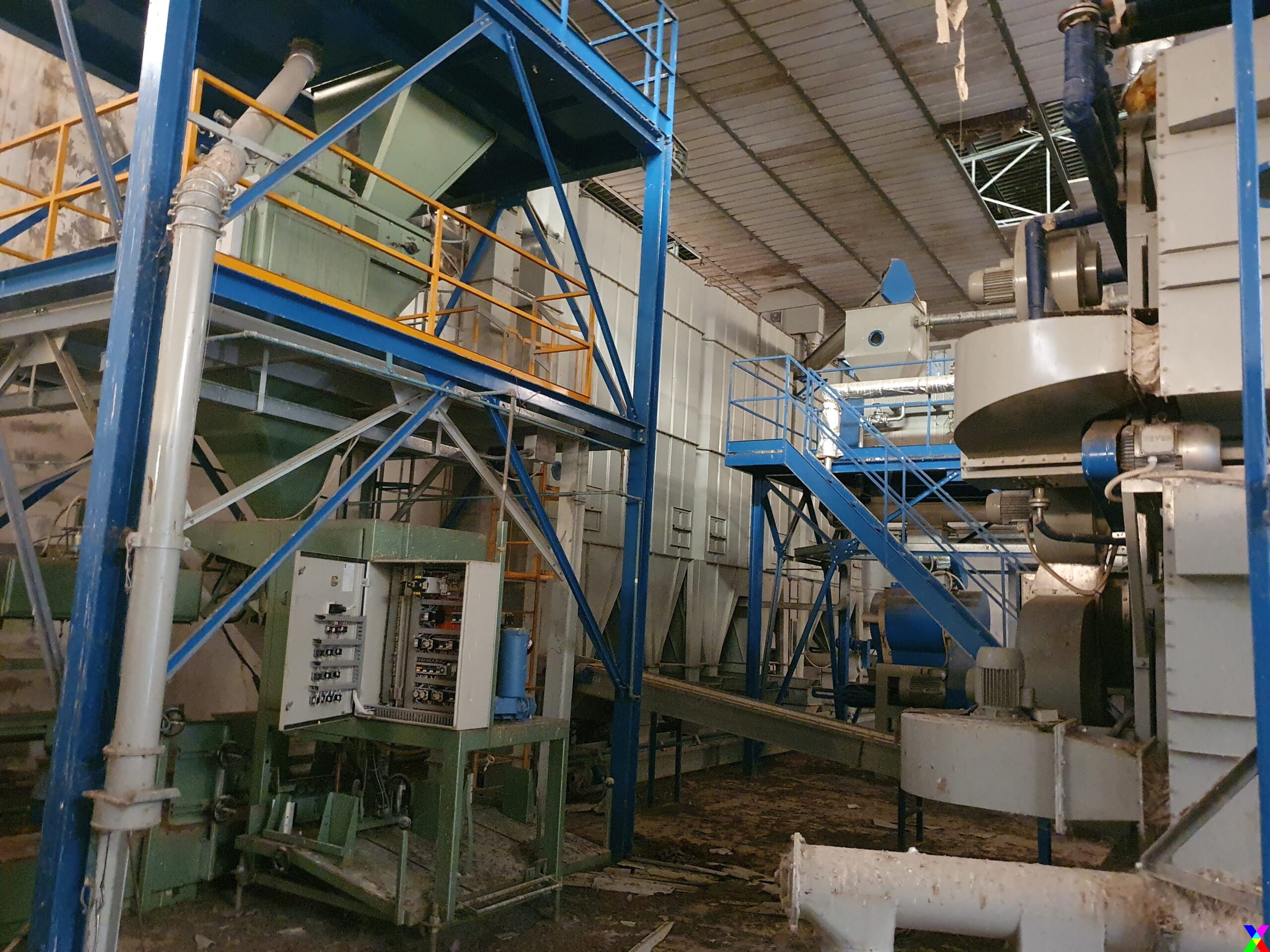
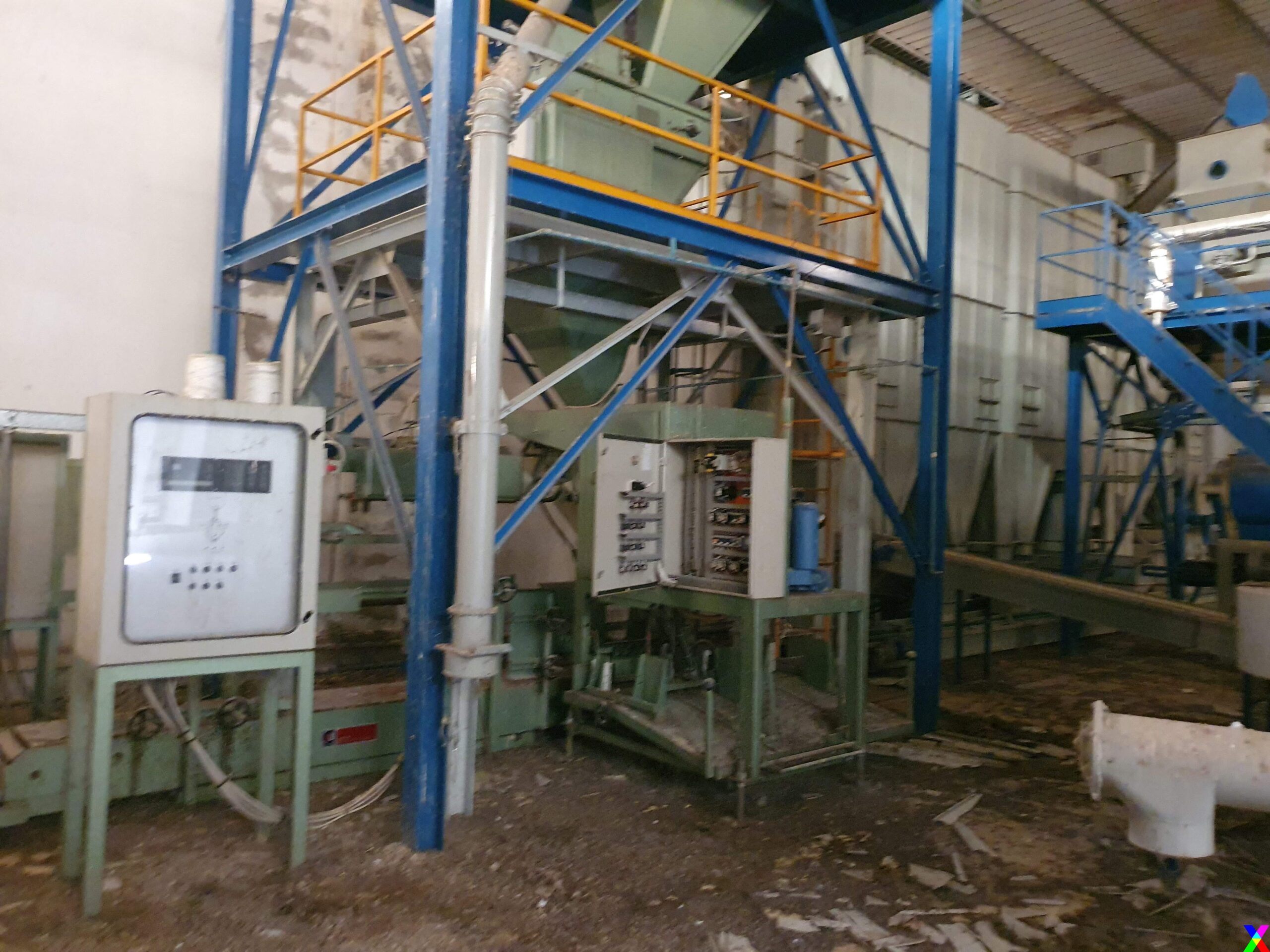
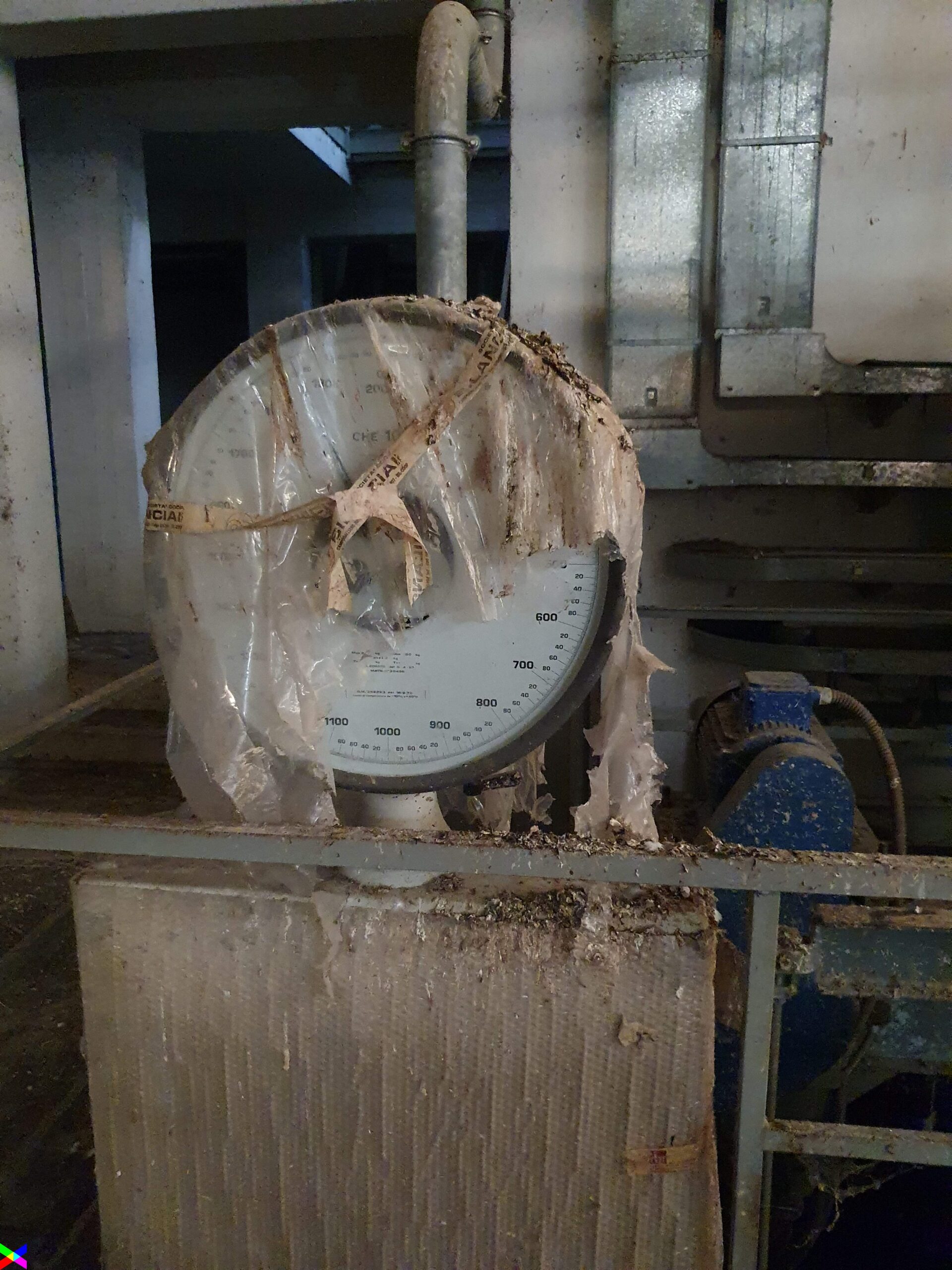
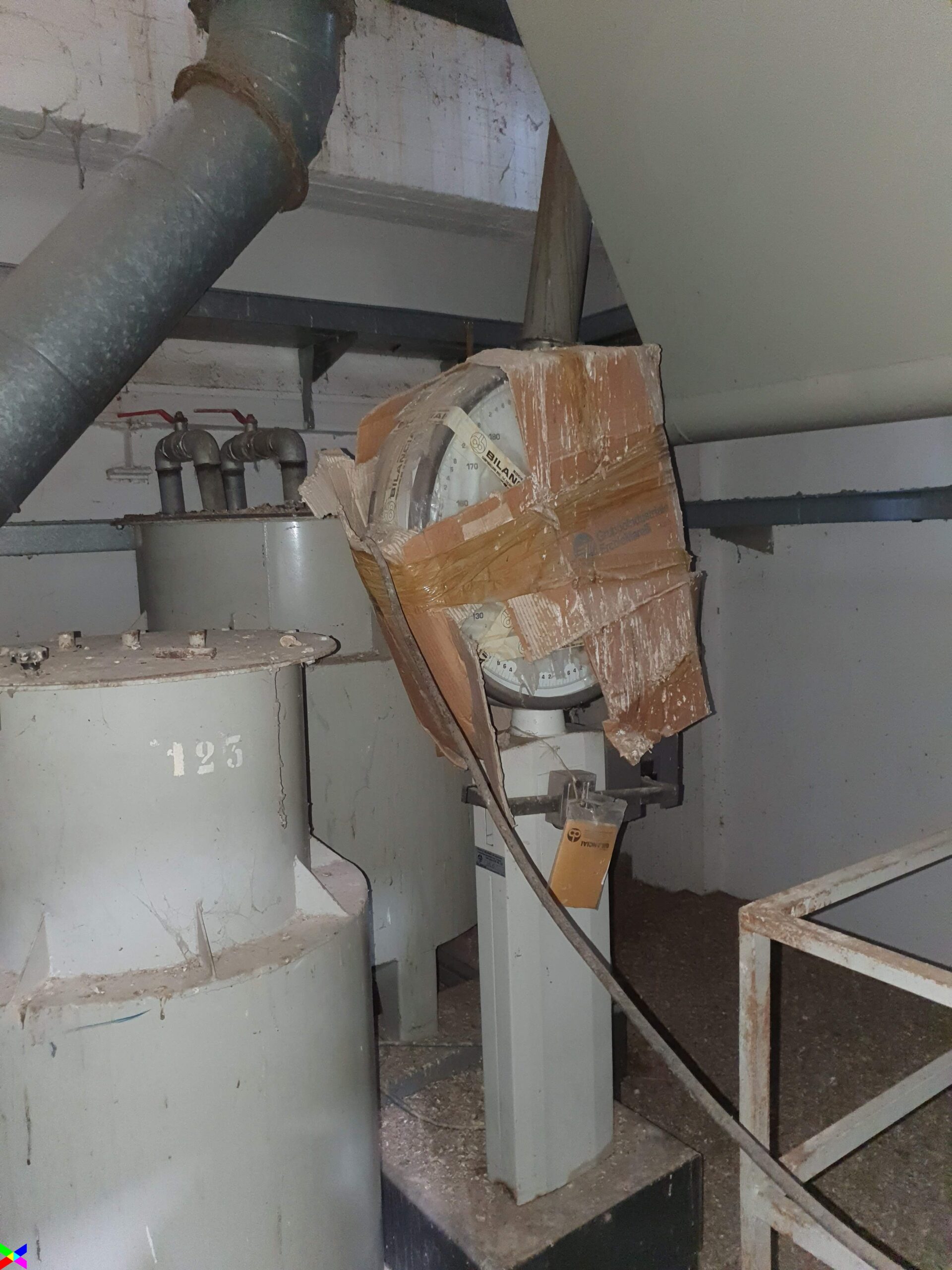
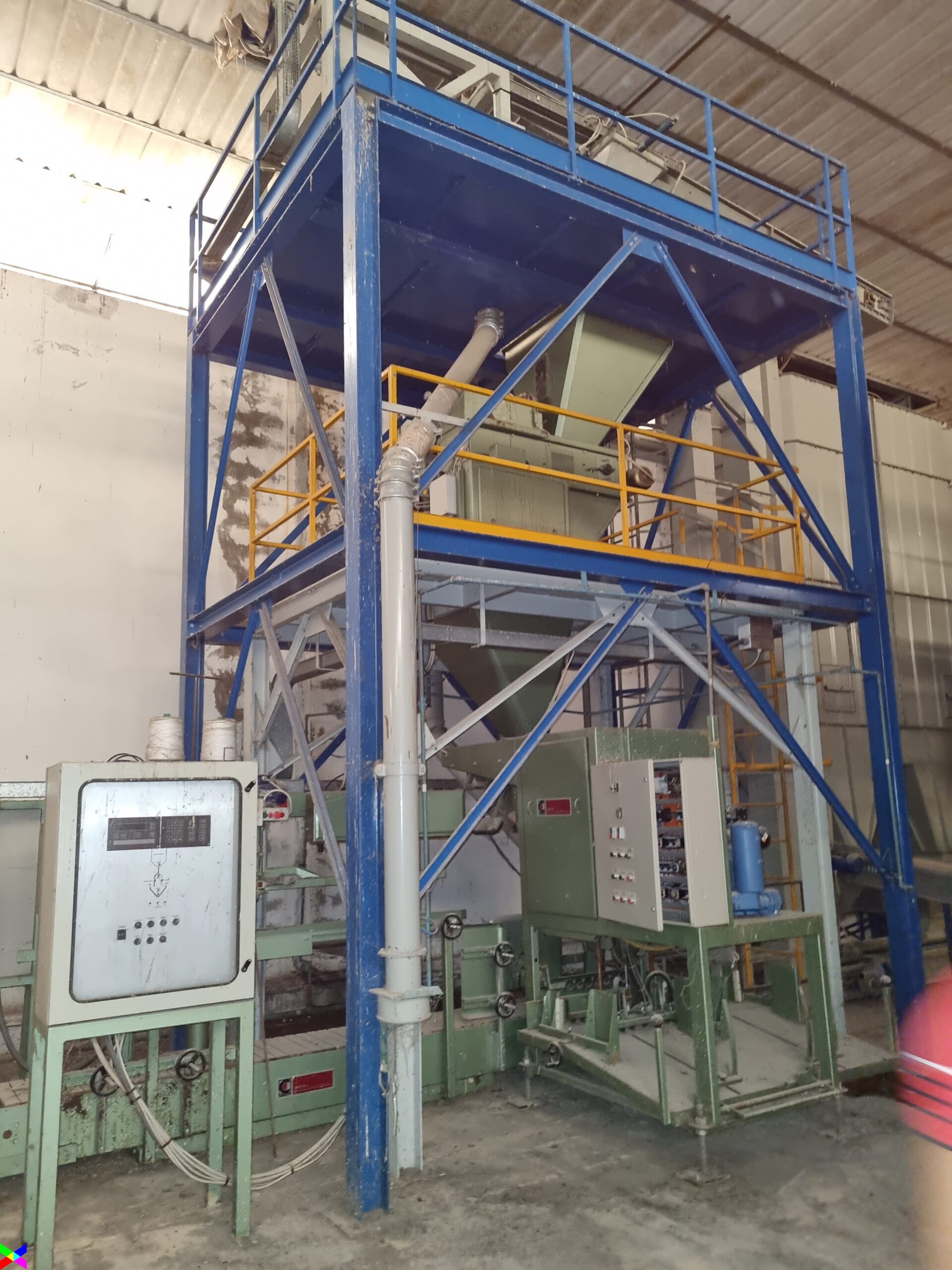
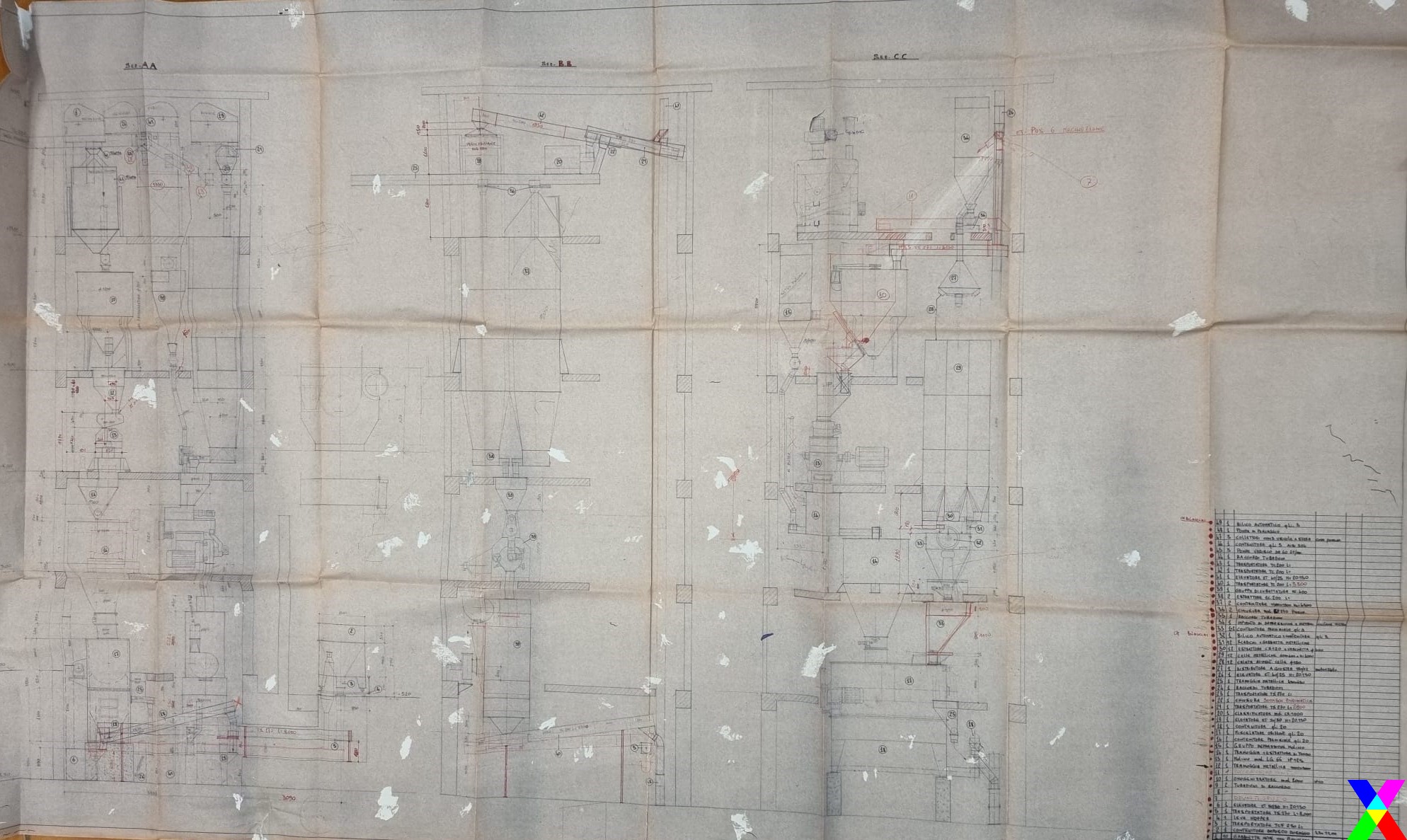
In tale struttura avviene dapprima il dosaggio degli elementi del mangime finito all’interno di 3 contenitori muniti di pesa comandata e controllati da uno specifico computer centrale che stabilisce le quantità dei diversi componenti, in ragione della percentuale di ciascuno, nella miscela finita.
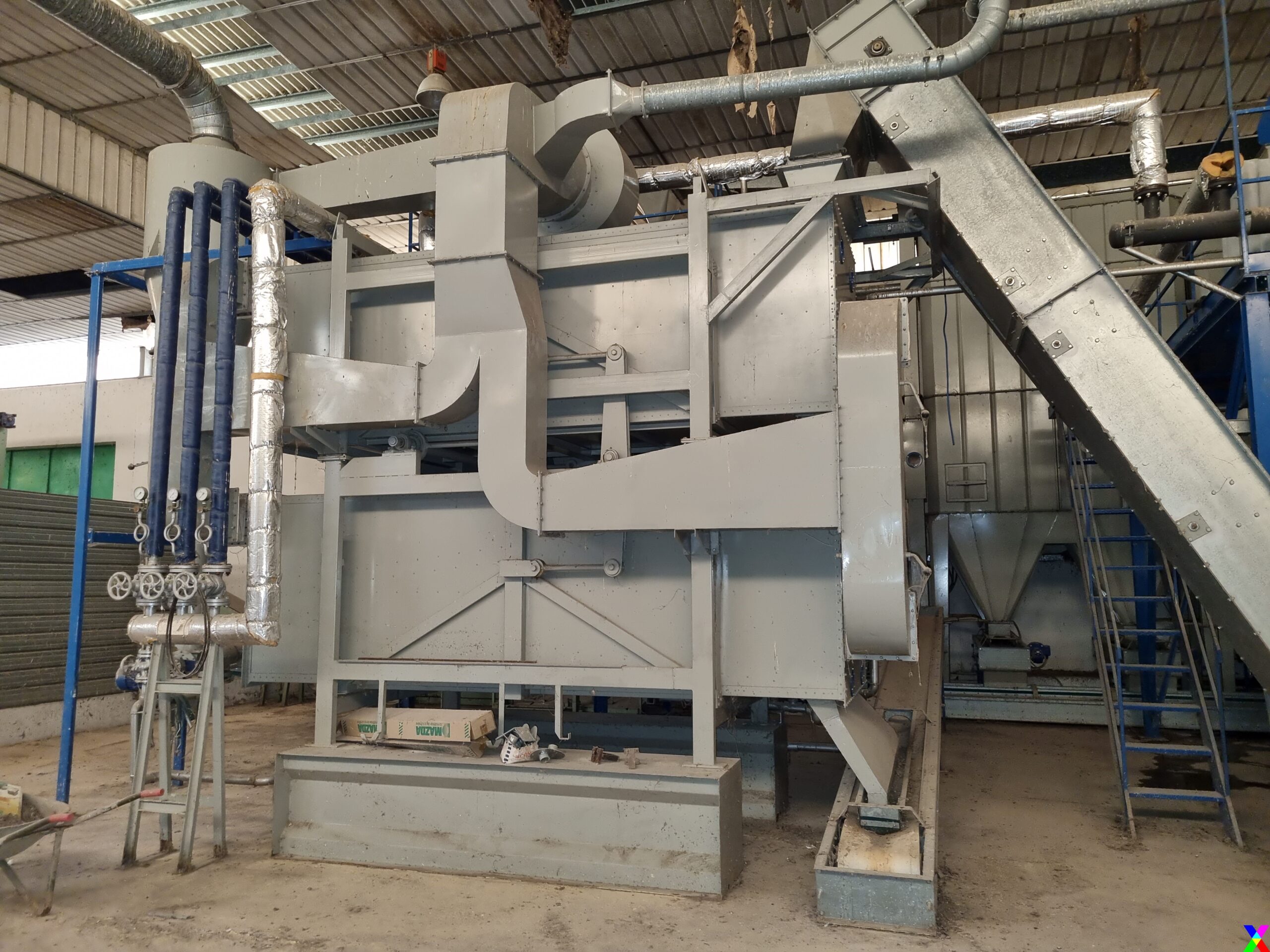
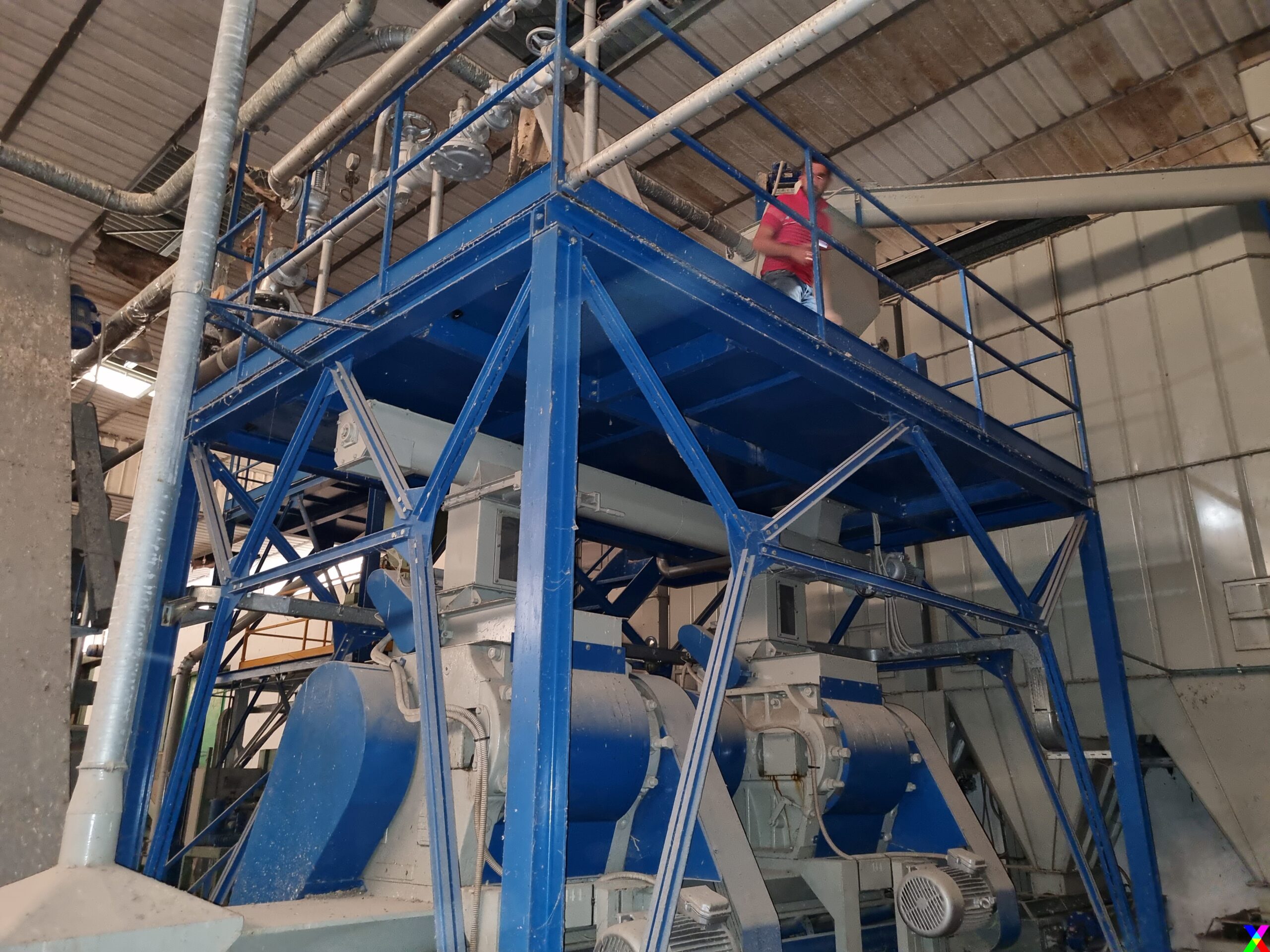
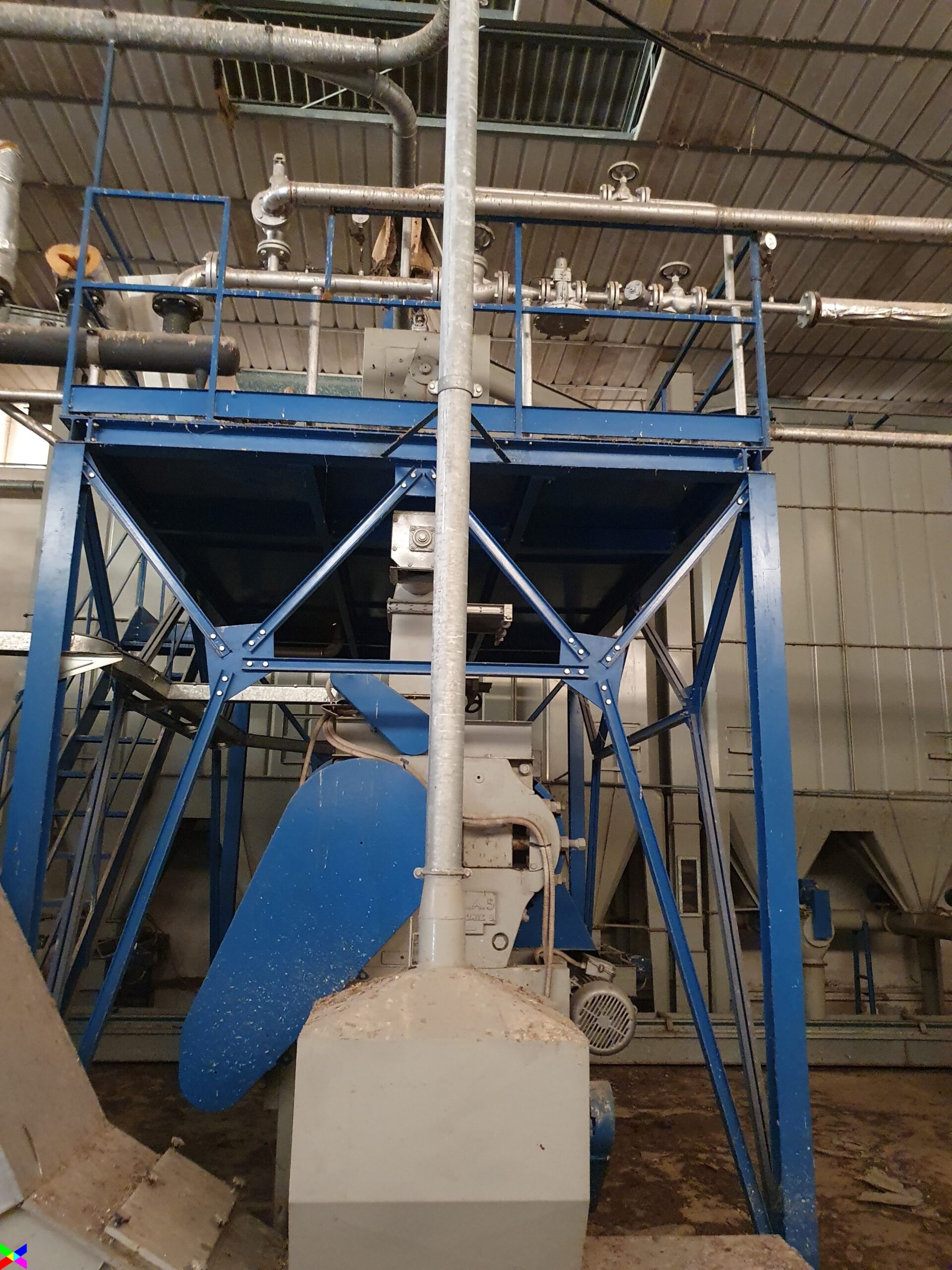
Successivamente al dosaggio è prevista la macinazione mediante un molino a martelli della potenza di 92 kW e della capacità oraria di macinazione di 15 ton/ora.
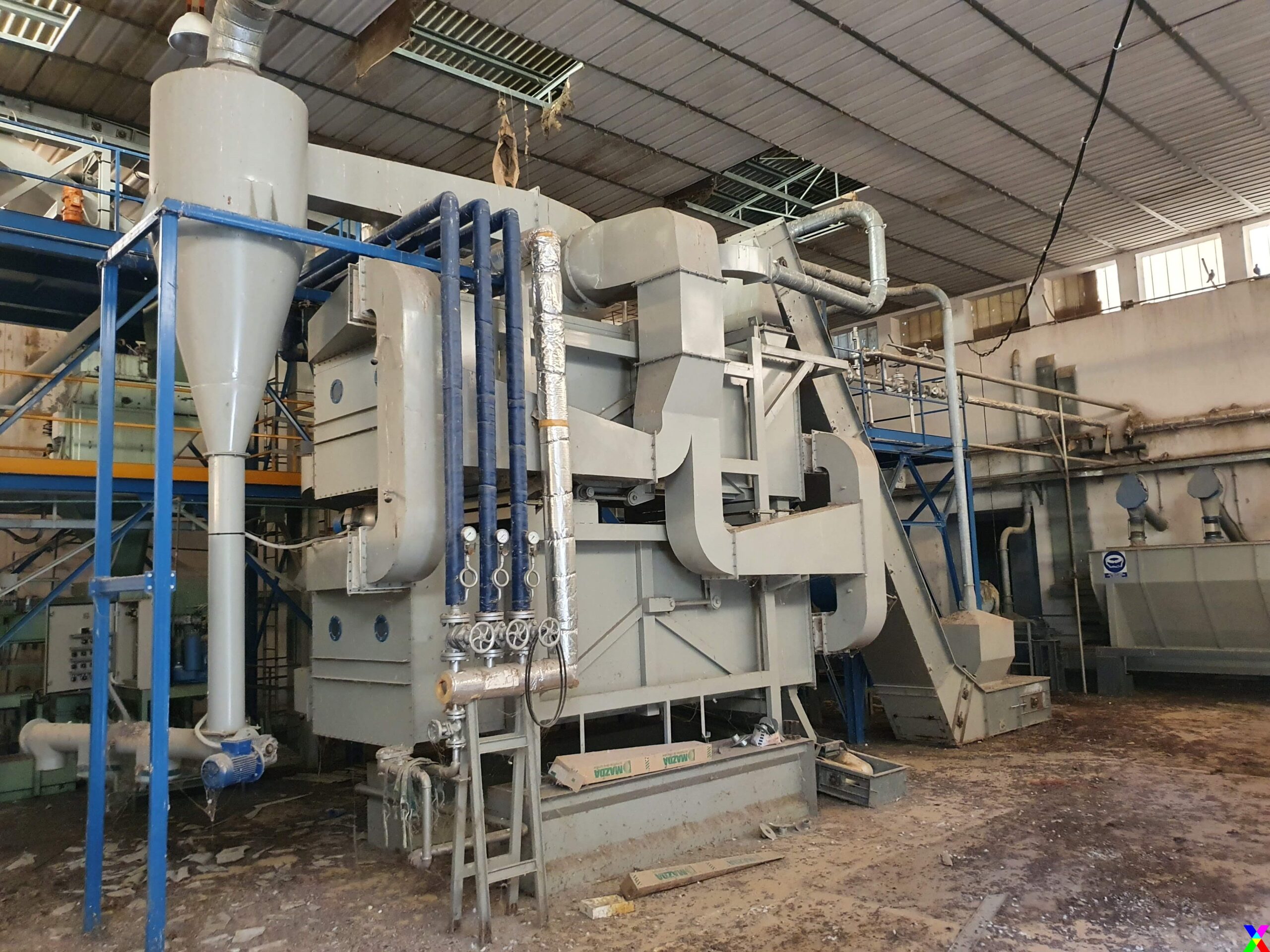
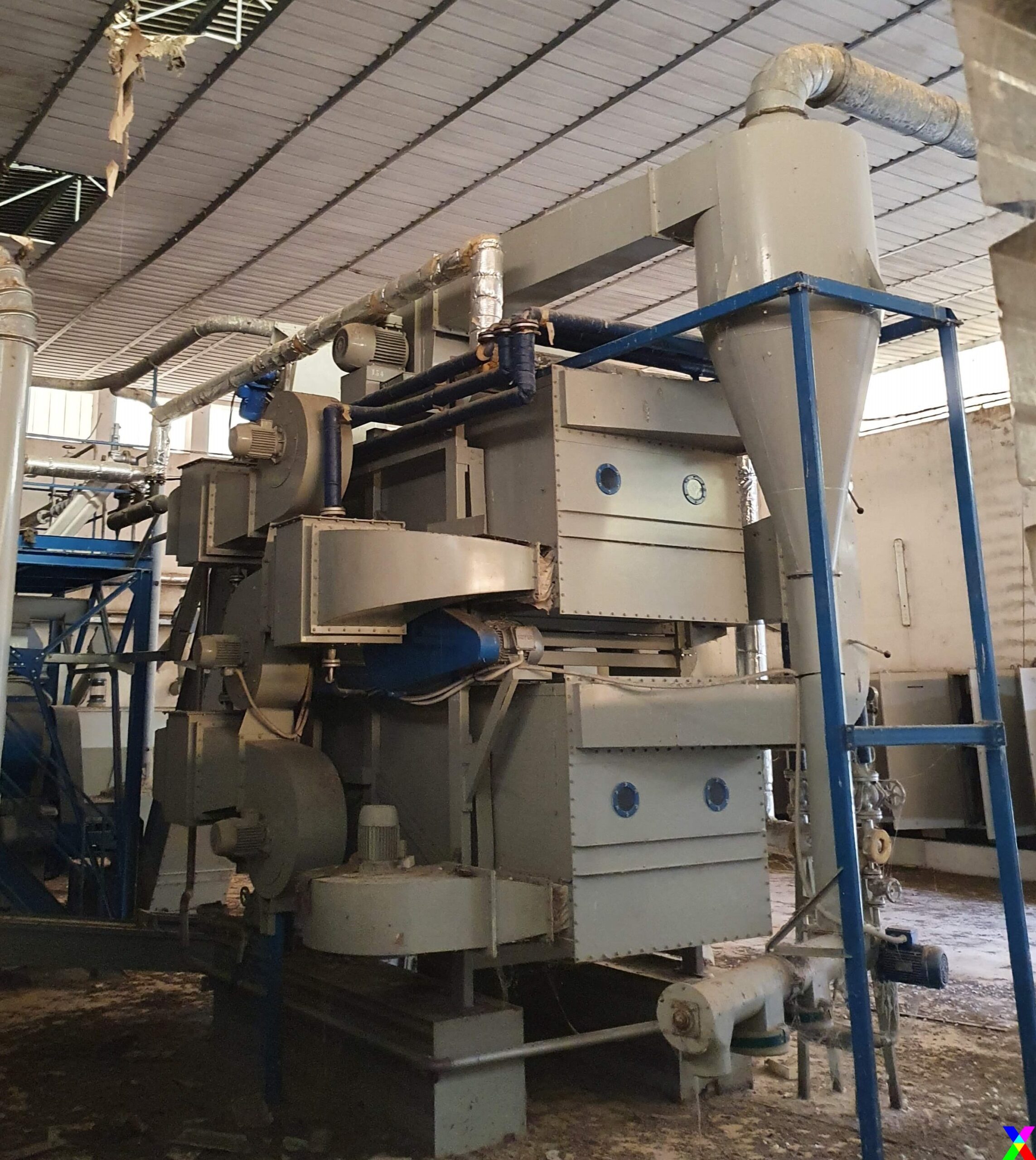
La miscelazione successiva delle farine avviene all’interno di un miscelatore orizzontale avente una capacità di produzione di 30 ton/ ora. Le miscele così ottenute possono essere confezionate in sacchi o stoccate in forma sfusa nei silos, oppure ancora sottoposte ad ulteriori lavorazioni di “cubettatura” o di schiacciatura mediante un’apposta macchina a vapore, la cui potenza è di 92 kW, e la capacità produttiva è di 7,5 ton / ora di prodotto finito.
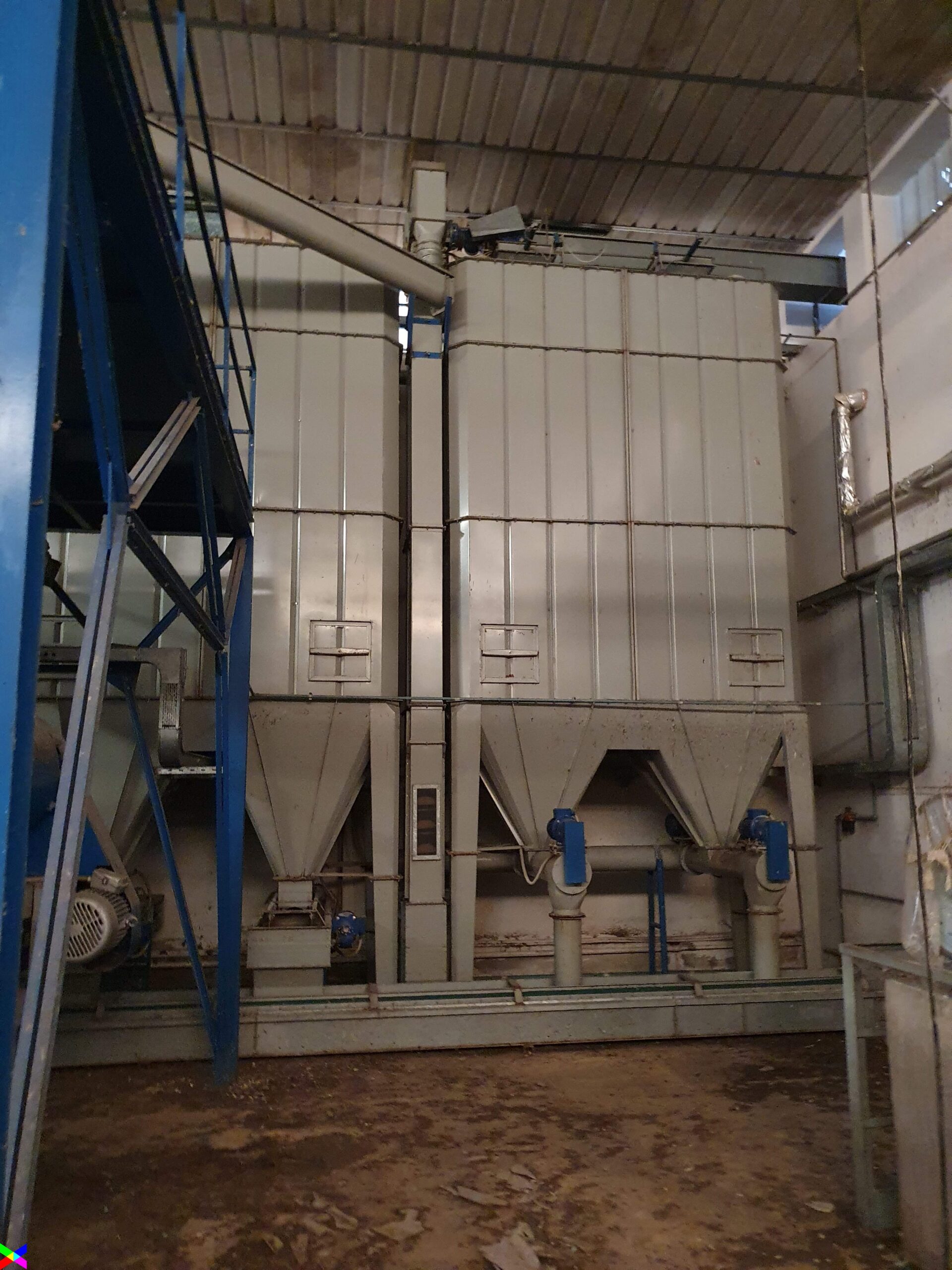
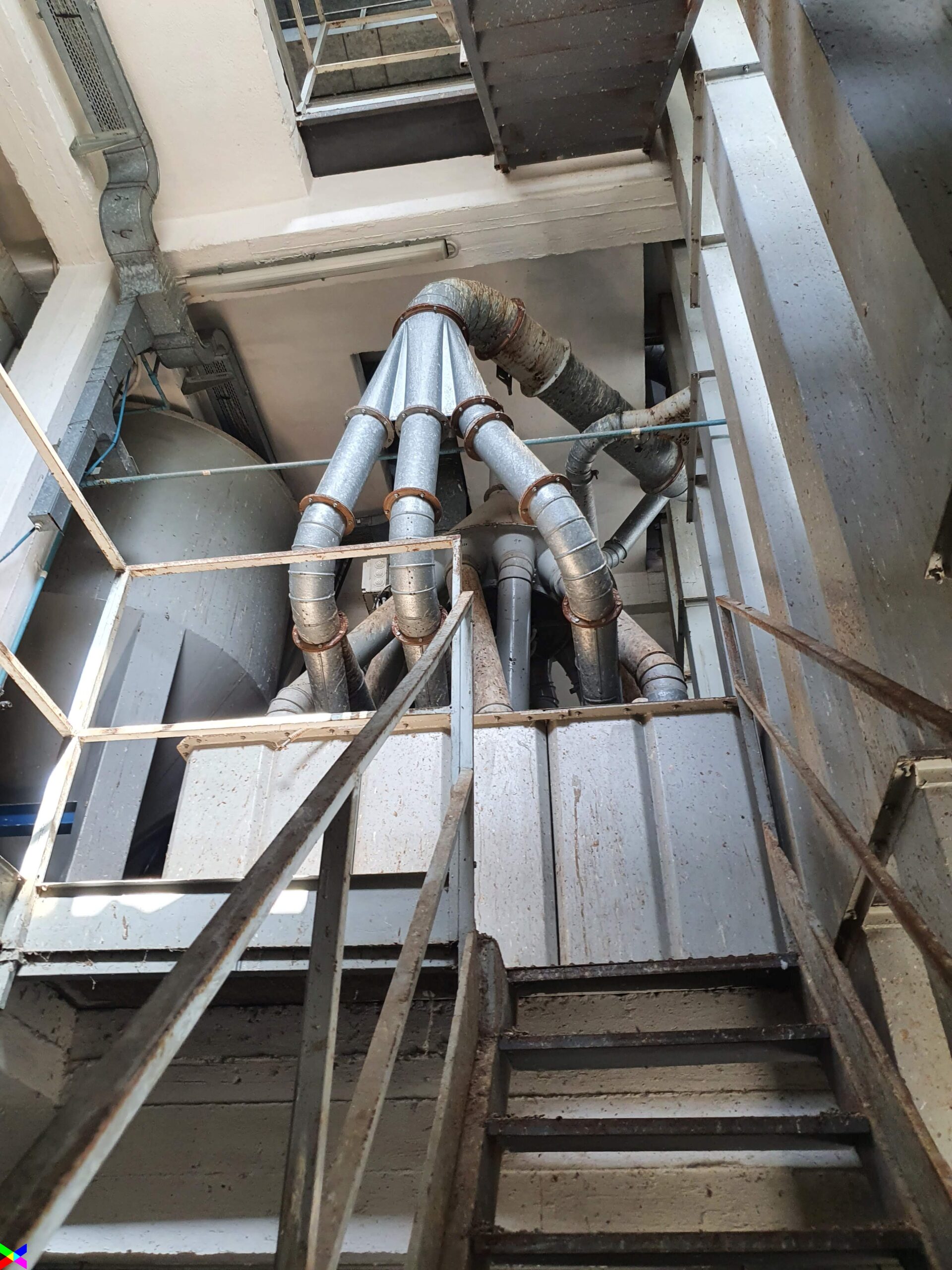
Tutte le macchine presenti nella struttura in calcestruzzo a sviluppo verticale sono interconnesse da un impianto di aspirazione delle polveri prodotte nelle fasi di lavorazione.
In posizione adiacente al capannone-laboratorio di produzione si trovano 2 locali tecnici (dimensioni. utili mq 2,30×3,40) nei quali sono alloggiati la caldaia.
L’accesso agli stessi è autonomo e diretto all’esterno dalla parte opposta rispetto al piazzale centrale, In tali locali vi è una caldaia pressurizzata del tipo a combustione con funzionamento automatico ad olio diatermico di produzione IVAR (VR) – mod. OD-ODV – tipo ODE C 1000 avente le seguenti caratteristiche tecniche: potenzialità nominale=1.000.000 kcal/ ora; potenzialità focolare=1.149.500 kcal/ ora; pressione=5 atm; capacità produttiva=1620 kg/ ora.
Nel secondo locale tecnico è installato un compressore rotativo silenziato a marchio “Rotar” per la produzione dell’aria compressa necessaria ai servocomandi dell’intero impianto avente le seguenti caratteristiche tecniche: modello=ISC10; V 380 – 3; Hz 50; kW 11; Hp 15; A 23; aria resa-F-A.D. 1,40 mc/min; pressione max=10 bar; serbatoio da 10 litri.
Premettendo che l’azienda produttrice è disponibile allo smontaggio ed alla dislocazione dell’impianto in qualsiasi regione e continente, la nostra intenzione è la vendita dell’intero bene nello stato di visto e piaciuto, e chiaramente non interagiremo in nessuna maniera al fine degli smontaggi che rimangono totalmente di competenza dell’acquisitore; ovviamente il pagamento è totalmente da anticipare.
Visto esser passato un trentennio dalla realizzazione, alcuni elementi potrebbero esser ammalorati, così come il gruppo compressori da litri 1000 (che è escluso); sono da tener in considerazione.
Prezzo a corpo: 290.000€ ex work sud italia
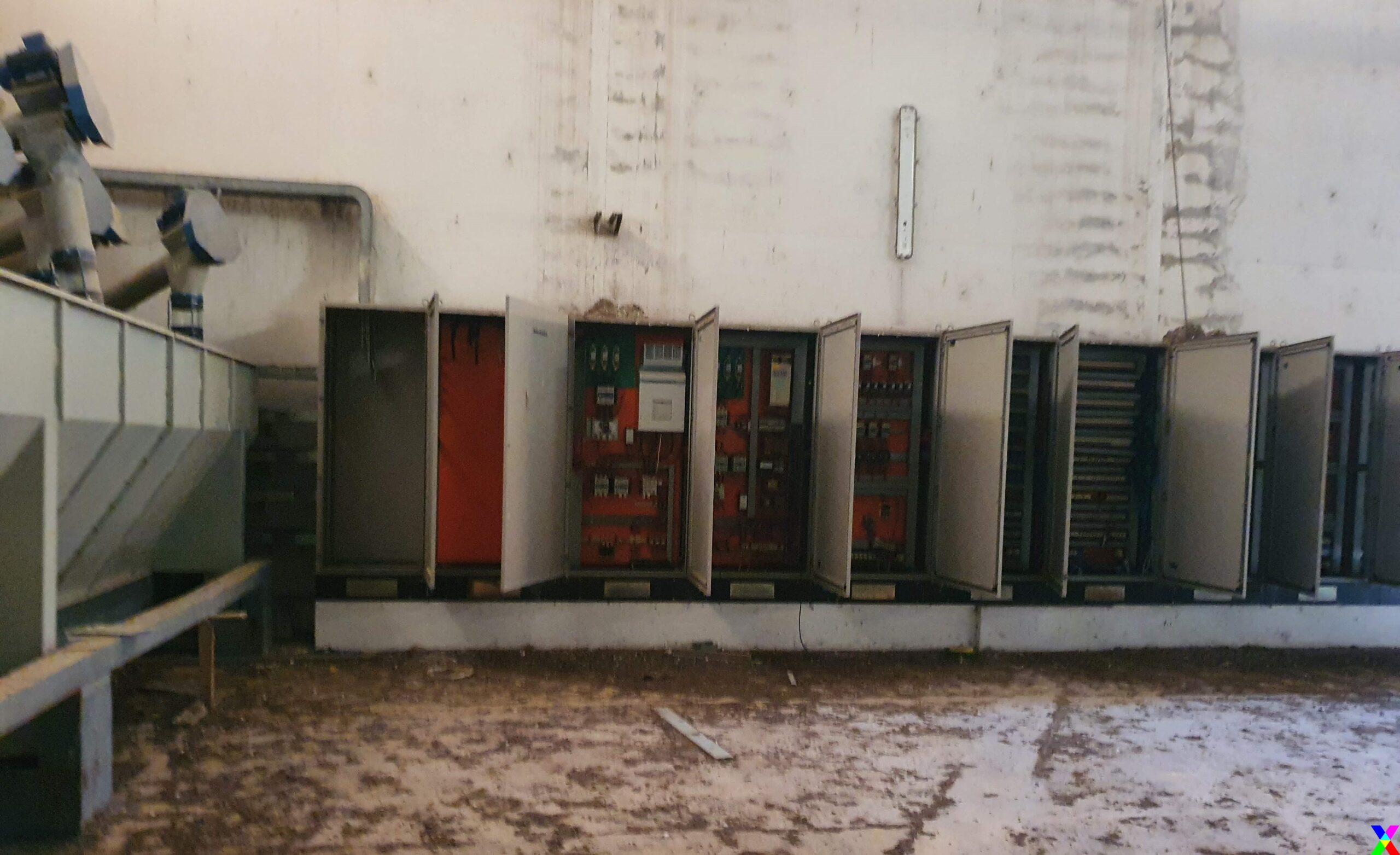
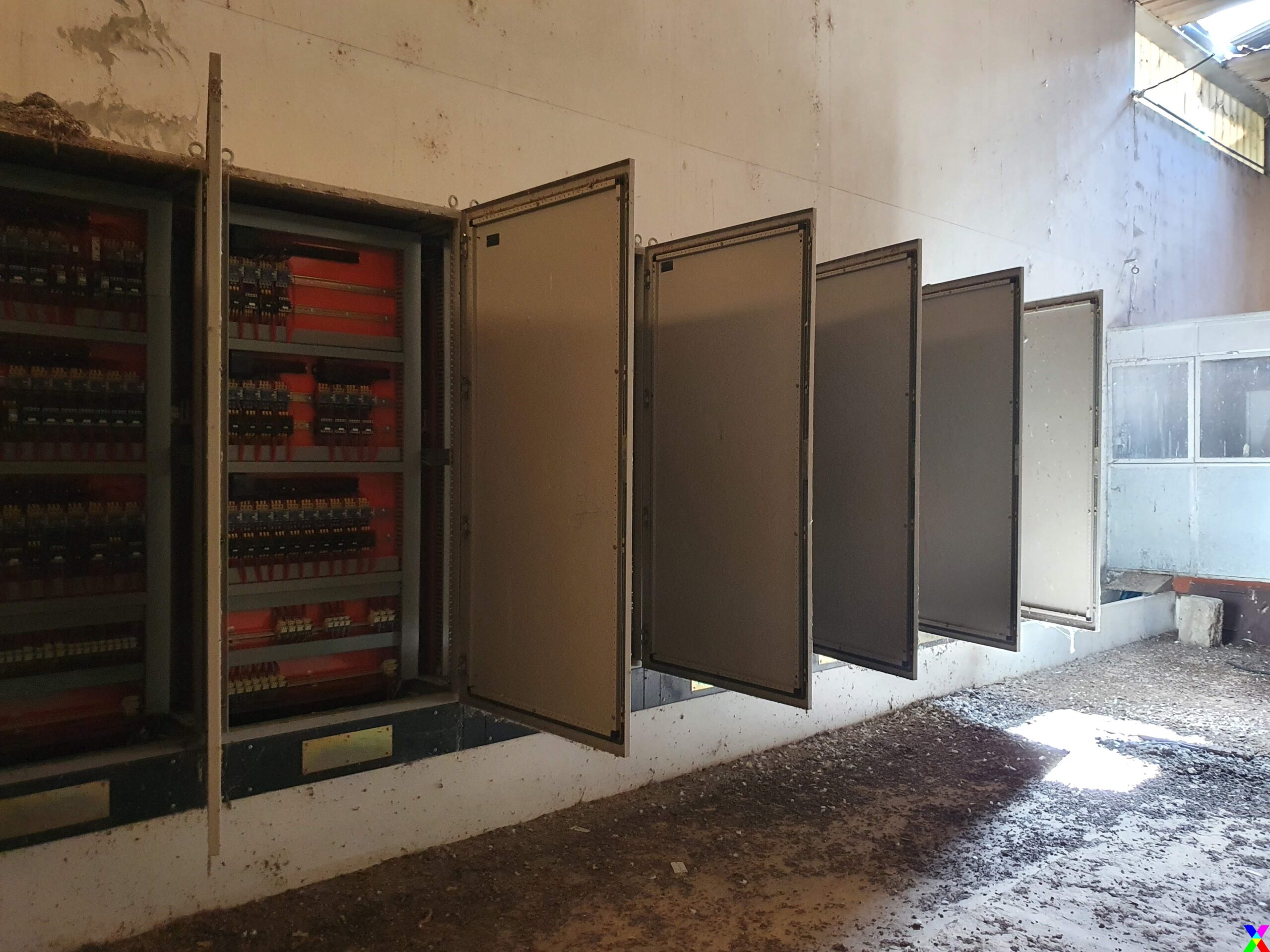
NB: all’acquirente verrà proposto la possibilità della realizzazione degli schemi, la ri-progettazione ed il rifacimento dei quadri elettrici verrà inserito nuovo PLC ed il software di gestione al costo complessivo di 180.000€; l’impianto a questo punto potrebbe ritenersi pari al nuovo!
15TON/HOUR FEED MILL: FLOURS, LOOSE OR BAGGED CUBES
The machinery, equipment and the entire vertical production and processing plant were built in the 90s by a leading company in the relevant sector and still in strong activity: in fact, the feed mill never came into operation for bureaucratic reasons; for this reason it can be defined in the state of the new.
The process is designed for the production of cereals for livestock use, in particular integrated feeds for pigs, cattle, sheep, poultry, etc.: it is made in products in the form of flours, cubes and crushed, both loose and packaged.
The specific project and the production cycle of the plant include ten phases of self-sufficient processing, the entire processing up to packaging and palletizing is contemplated.
Briefly, the production process begins in the canopy-patio where the reception (weighing and unloading) of the raw materials takes place. The Pesa is a platform for both lateral and rear tipping of trucks used for the transport of raw materials. Then, by means of a metal hopper measuring 14 x 2.50 meters with a load-bearing grid, the raw materials are stored in the silos also with the help of conveyor belts (capacity of about 100 t/h).
There are 16 metal silos, of the vertical cylindrical type, with volumes varying between 70 and 1,350 cubic meters. The total storage volume is 5,000 cubic meters.
The raw materials from the silos pass through belts in the upper part of the vertical reinforced concrete structure. Its height is 17 m, the plan is rectangular of 7.50 m x 6.50.
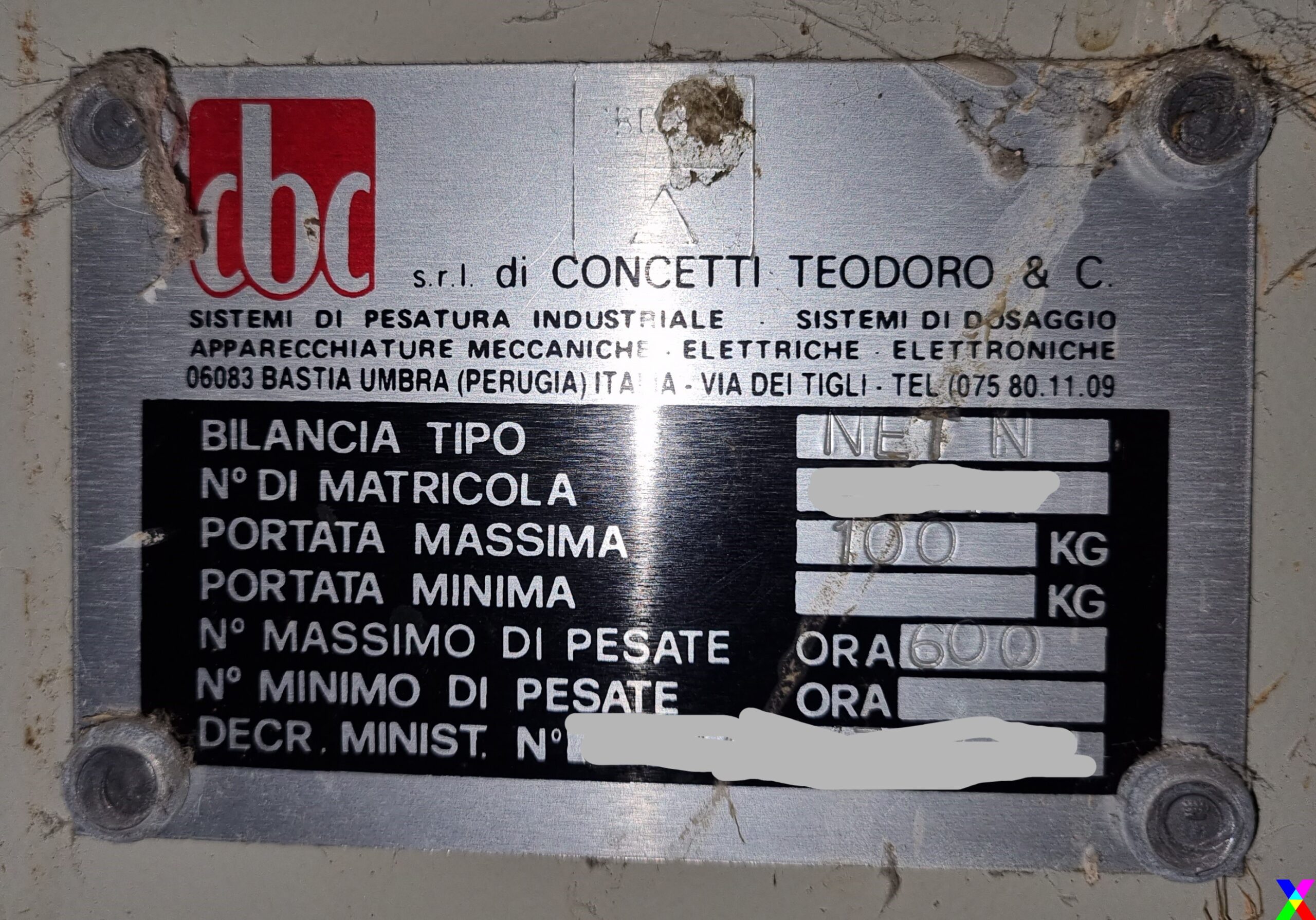
In this structure, the elements of the finished feed are first dosed into 3 containers equipped with a controlled scale and controlled by a specific central computer that establishes the quantities of the different components, based on the percentage of each, in the finished mixture.
After dosing, grinding is provided by means of a hammer mill with a power of 92 kW and an hourly grinding capacity of 15 tons/hour.
The subsequent mixing of the flours takes place inside a horizontal mixer with a production capacity of 30 tons/hour. The mixtures thus obtained can be packaged in bags or stored in bulk form in silos, or subjected to further “dicing” or crushing processes by means of a special steam machine, whose power is 92 kW, and the production capacity is 7.5 tons/hour of finished product.
All the machines in the vertical concrete structure are interconnected by a system for extracting the dust produced during the processing phases.
In a position adjacent to the production shed-laboratory there are 2 technical rooms (useful dimensions 2.30×3.40 square meters) in which the boiler is housed.
Access to them is autonomous and directed to the outside on the opposite side from the central square, In these rooms there is a pressurized boiler of the combustion type with automatic diathermic oil operation produced IVAR (VR) – mod. OD-ODV – type ODE C 1000 with the following technical characteristics: nominal capacity = 1,000,000 kcal/hour; hearth capacity = 1,149,500 kcal/hour; pressure=5 atm; Production capacity=1620 kg/hour.
In the second technical room there is a silenced rotary compressor with the “Rotar” brand for the production of the compressed air necessary for the servos of the entire system with the following technical characteristics: model = ISC10; V 380 – 3; Hz 50; kW 11; Hp 15; A 23; air output-F-A.D. 1.40 mc/min; max pressure=10 bar; 10 liter tank.
Assuming that the manufacturing company is available for the dismantling and relocation of the plant in any region and continent, our intention is the sale of the entire asset in the state of seen and liked, and clearly we will not interact in any way for the purpose of dismantling which remains totally the responsibility of the buyer; obviously the payment is totally to be anticipated.
Given that thirty years have passed since its construction, some elements could be deteriorated, as well as the 1000 liter compressor unit (which is excluded); are to be taken into account.